EMT conduit installation
Metal tubing installed to protect cable in commercial and industrial spaces.
- Runs laid out with the cabling plan
- Supported and secured along the route, per NEC Article 358
Serving MA, NH & RI since 1993
Network cabling, fiber and business phone systems

Pathways · MA, NH & RI
EMT (electrical metallic tubing) is thin-walled steel conduit that protects cable where it would otherwise be exposed. Accutech Communications installs, bends, repairs and replaces EMT for data and voice cabling in commercial and industrial spaces across Massachusetts, New Hampshire and Rhode Island.
When to use EMT
Most office cabling runs hidden above a ceiling. EMT is for the runs that can't be hidden, or that need more protection than cable alone.
EMT shields cable from impact, moisture and rodents, and its zinc coating (galvanization) resists corrosion, so it suits damp areas as well as dry ones. It is lightweight and bends smoothly, which keeps the number of fittings down and gives a clean run along walls and open ceilings.
It also costs less than heavier steel conduit such as rigid metal conduit (RMC) or intermediate metal conduit (IMC), in both material and labor, which is why it is the usual choice for exposed runs in commercial buildings.
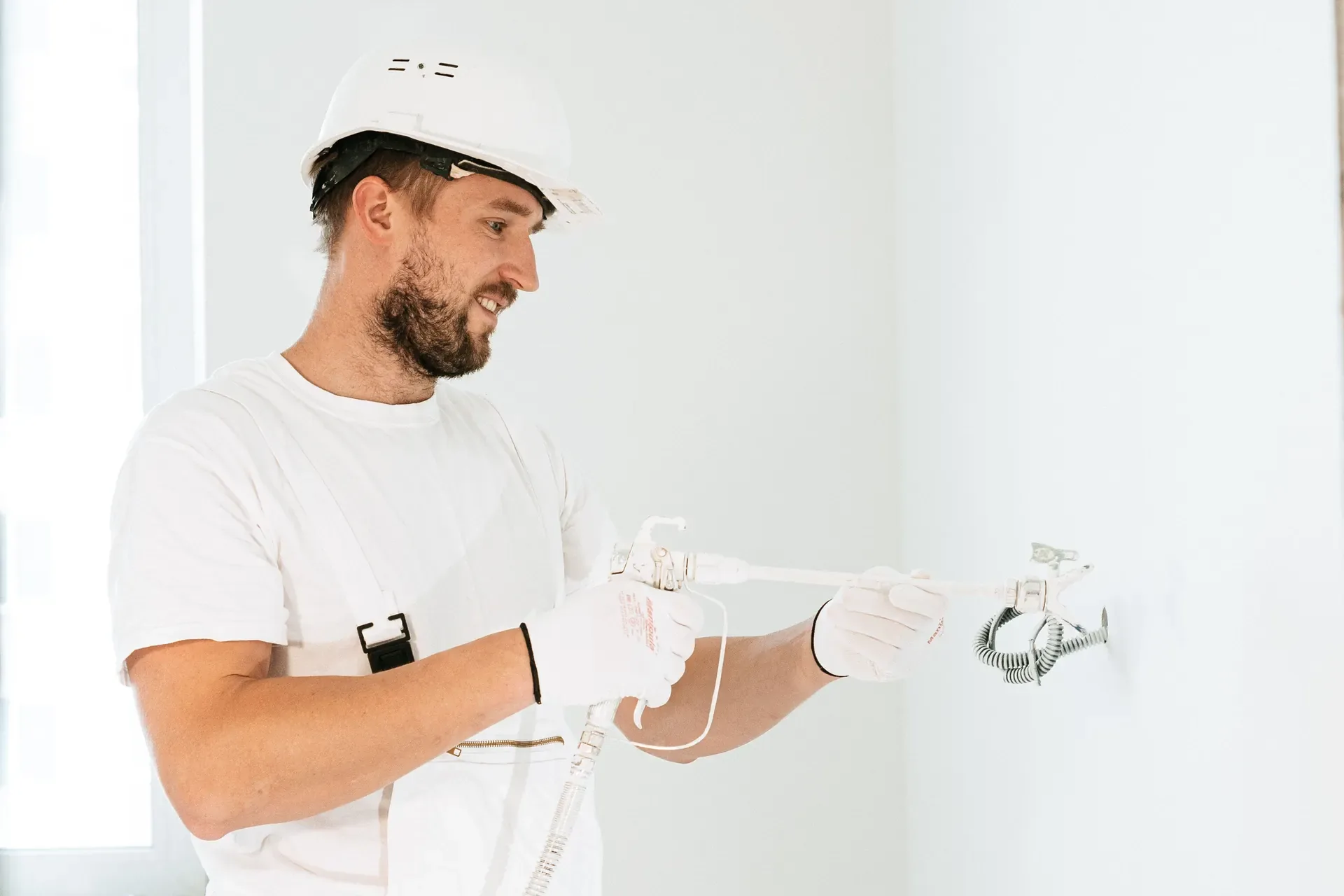
Our EMT work
Metal tubing installed to protect cable in commercial and industrial spaces.
Custom bends and shapes for the space, in a range of angles and radii, made with proper conduit benders.
Damage and faults in an existing EMT system identified and repaired, or damaged sections replaced.
Doing it right
Five points decide whether an EMT run lasts and whether new cable can be pulled through it later.
EMT is one of several conduit types. Rigid metal conduit (RMC) and intermediate metal conduit (IMC) are heavier and cost more; PVC conduit is common underground; flexible conduit handles short connections to equipment that moves or vibrates.
From our clients
Most office cabling doesn't need conduit. One Medford, MA client chose us after other contractors tried to sell them expensive cabling or conduit they didn't need.
Most companies were trying to "oversell" us on expensive cabling or conduit that we didn't need ... After engaging them we found Accutech easy to work with, flexible and very tolerant of our changing construction schedule.
I have used data/cabling companies before, but AccuTech was by far the most accommodating and professional company I had the pleasure to work with. I needed work done quickly, and they went out of their way to fit me into their schedule. I will be using them again for all my data/cabling jobs.
Electrical metallic tubing: thin-walled steel tubing used to protect and route cable. It is lighter and easier to bend than rigid metal conduit (RMC).
Not always. Cable hidden above a ceiling or in a wall often runs without it. Conduit is used where cable is exposed, at risk of damage, in industrial areas, or where the building or code requires it.
Yes, with fittings rated for wet locations. EMT is rated for indoor and outdoor use, and its zinc coating resists corrosion in damp and wet areas.
Yes to both. We bend EMT to the angles, offsets and radii the space needs, using proper conduit benders so the tubing doesn't kink or flatten. On an existing system we find the damaged sections or faulty joints and repair or replace them, so the cable inside stays protected.
The length of the runs, the number of bends and pull boxes, the type of space (open ceiling, warehouse, mechanical room), the fittings needed for damp or outdoor locations, and whether existing conduit needs repair. Estimates are free: call 978-579-0006.
EMT is thin-walled steel tubing for runs that need metal protection. Innerduct is a flexible tube, usually plastic, that organizes and protects fiber, often inside a larger conduit. See innerduct installation.
Request an estimate
Estimates are free. Call the office or send the details online.
Helpful to have ready