
Network Communication Services: Top 5 Vital Benefits 2025
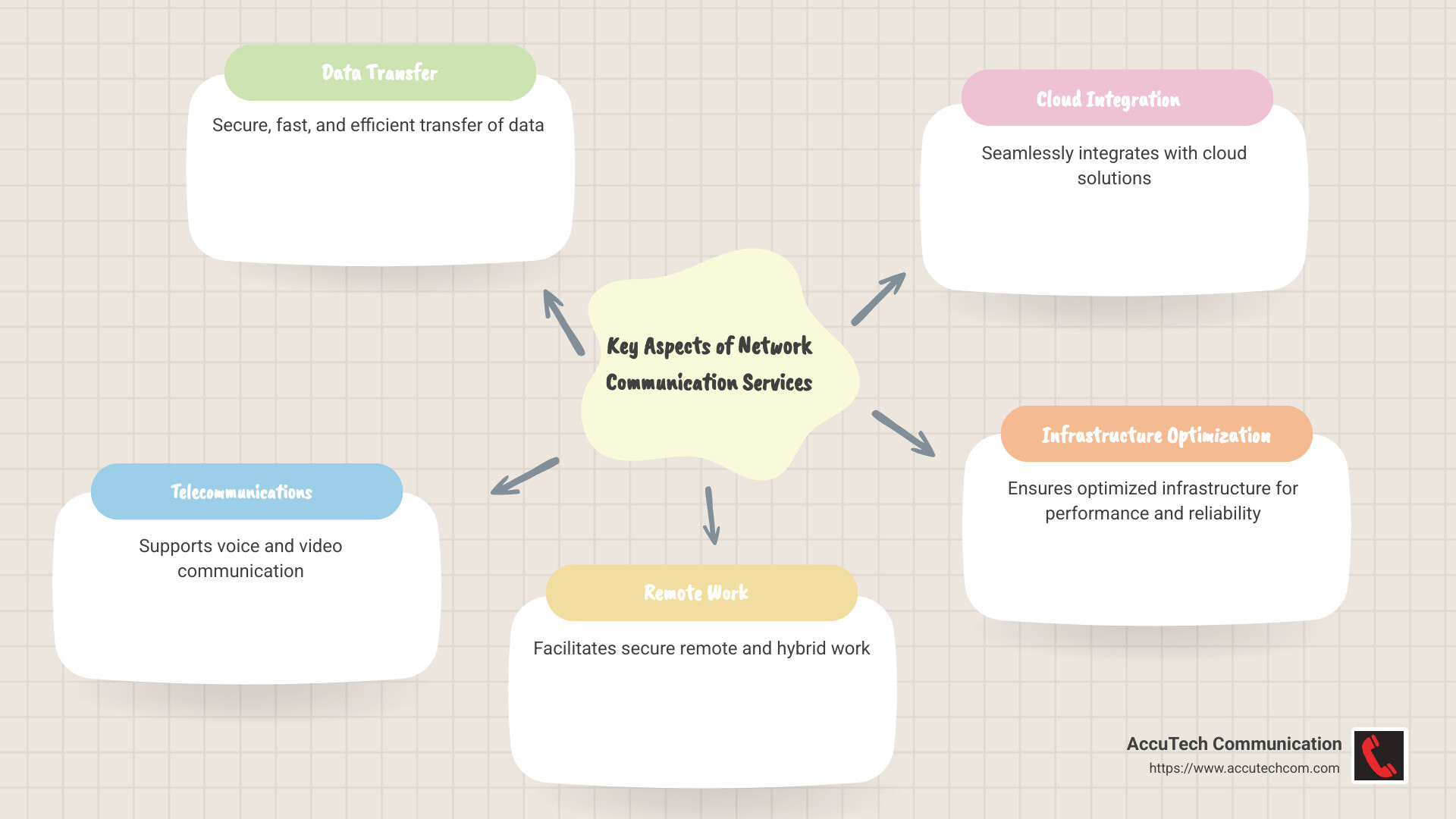
Network Communication Services form the core of modern enterprises by enabling seamless networking, robust telecommunications, and efficient data exchange. Whether you’re managing a healthcare facility or a corporate environment, these services help ensure that your infrastructure is optimized for maximum performance and reliability.
Key points to know about Network Communication Services:
– Enable secure, fast, and efficient transfer of data.
– Support telecommunications for both voice and video.
– Facilitate remote work and integration with cloud solutions.
Businesses today face ever-growing demands for connectivity and security. An efficient network infrastructure not only supports daily operations but also drives innovation and growth. Investing in high-quality services ensures your business remains competitive and compliant with industry standards.
I’m Corin Dolan, your guide to Network Communication Services. With years of experience in providing businesses with reliable communication solutions, I understand the unique challenges of modern enterprises and the crucial role these services play. Let’s explore how they power your business’s connectivity.
Easy Network Communication Services glossary:
– how do networks communicate
– what is a communication network
– telecommunication network
Understanding Network Communication Services
Network Communication Services are essential for keeping modern businesses connected and efficient. They cover a wide range of solutions that help companies exchange data, communicate effectively, and stay secure.
Network Services
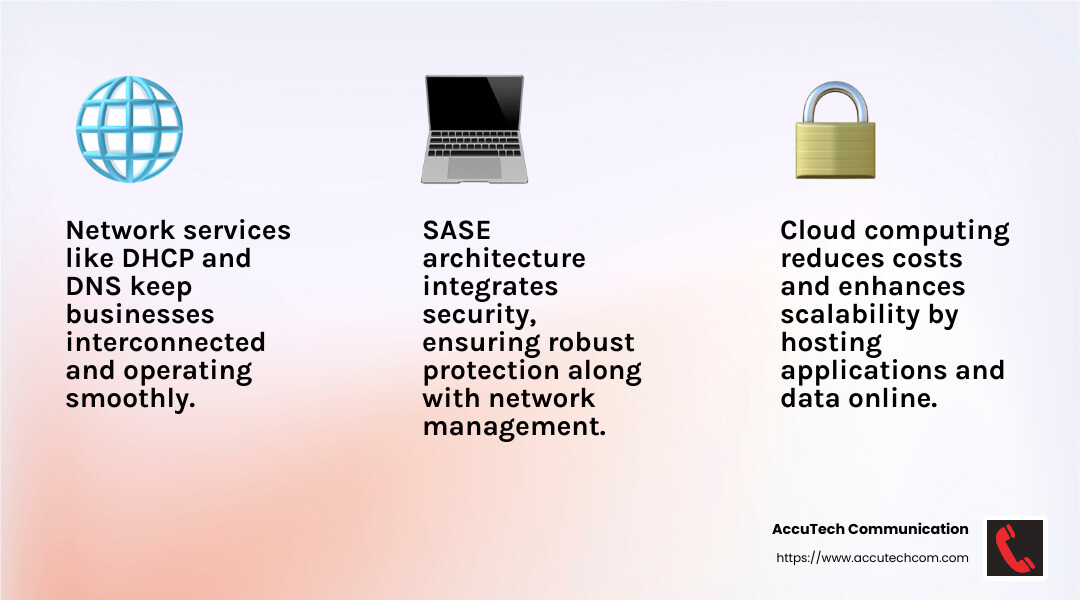
At the heart of these services are network services, which include crucial components like DHCP (Dynamic Host Configuration Protocol) and DNS (Domain Name System). These systems ensure that devices can communicate with each other smoothly, like assigning IP addresses and translating domain names into IP addresses. Without them, navigating the internet or internal networks would be chaotic.
Communication Service
Communication services are about more than just talking on the phone. They include voice, video, and data communications that keep teams connected, no matter where they are. For example, video conferencing has become a staple in businesses, enabling face-to-face meetings without the need for travel. This is vital for remote and hybrid work models that have become popular.
Cloud Computing
Cloud computing is a game-changer for network communication. It allows businesses to host applications and data in the cloud, reducing the need for physical servers on-site. This not only cuts costs but also improves scalability. Companies can easily expand their operations without worrying about infrastructure limitations.
Cloud solutions also support SASE (Secure Access Service Edge), a cloud-native architecture that integrates network and security services. This helps businesses manage their network more efficiently while ensuring robust security measures are in place.
Why It Matters
These services are not just about technology; they’re about improving how businesses operate. They provide the backbone for efficient communication, ensuring that teams can collaborate effectively and access the resources they need quickly and securely.
When remote work and cloud technology are becoming the norm, having a reliable network communication service is crucial. It ensures that businesses can adapt to new challenges and continue to thrive.
As we dig deeper into the components and benefits of these services, you’ll see how they form the backbone of modern enterprises, enabling them to operate with agility and resilience in an ever-changing environment.
Key Components of Network Communication Services
When we talk about Network Communication Services, we’re diving into the nuts and bolts that make digital connectivity possible. Let’s break down these key components to see how they work together to keep businesses humming.
DHCP (Dynamic Host Configuration Protocol)
Imagine trying to remember the phone numbers of everyone you know. That’s what networking would be like without DHCP. This protocol automatically assigns IP addresses to devices on a network, ensuring that each one can communicate without a hitch. It’s like a digital address book that keeps everything organized and running smoothly.
DNS (Domain Name System)
DNS is the internet’s version of a phonebook. It translates human-friendly domain names like “example.com” into IP addresses that computers use to identify each other. Without DNS, we’d be typing long strings of numbers just to visit a website. This system is crucial for both internal and external communications, making it easy to access resources and services.
NTP (Network Time Protocol)
Time is money, and NTP ensures that all network devices are synchronized to the same clock. This might sound trivial, but accurate timekeeping is essential for security protocols, data logging, and even financial transactions. NTP keeps everyone on the same schedule, so to speak.
SD-WAN (Software-Defined Wide Area Network)
SD-WAN is like the traffic cop of network communications. It directs data across the most efficient routes, improving speed and reliability. This technology is particularly useful for businesses with multiple locations, as it optimizes connections and reduces costs by using a mix of network paths.
SASE (Secure Access Service Edge)
SASE is a cutting-edge architecture that combines network and security functions in the cloud. It provides secure access to applications from anywhere, which is vital for remote work. By integrating security features like secure web gateways and firewalls, SASE ensures that data stays protected while being easily accessible.
NaaS (Network as a Service)
With NaaS, businesses don’t need to own or maintain their networking infrastructure. Instead, they can access network services through the cloud, much like subscribing to a utility. This model offers flexibility and cost savings, allowing companies to scale their network as needed without hefty investments in hardware.
CDN (Content Delivery Network)
A CDN is a network of servers that delivers content to users based on their geographic location. This reduces latency and improves loading times, which is crucial for businesses that rely on rich media and applications. By caching content closer to the user, CDNs ensure a faster and smoother experience, enhancing both performance and user satisfaction.
These components form the backbone of Network Communication Services, enabling businesses to operate efficiently and securely. We’ll explore how these services translate into tangible benefits for enterprises, from cost savings to improved security.
Benefits of Network Communication Services
Network Communication Services are more than just tech jargon—they’re the backbone of modern businesses. Let’s explore some key benefits that make these services indispensable.
Cost-Effectiveness
One of the biggest advantages of Network Communication Services is cost-effectiveness. By using services like SD-WAN and NaaS, businesses can reduce the need for expensive hardware and maintenance. Instead of investing heavily in physical infrastructure, companies can leverage cloud services, paying only for what they use. This not only cuts costs but also allows for better budget management.
Security
Security is non-negotiable. Network Communication Services offer robust security measures that protect sensitive data. With solutions like SASE, businesses can ensure secure access to applications and data from anywhere. This is crucial for protecting company secrets and customer information. Firewalls and VPNs further improve security by creating safe, encrypted connections.
Scalability
Scalability is another standout benefit. As businesses grow, their network needs evolve. Network Communication Services provide the flexibility to scale up or down easily. With cloud-native architectures, companies can quickly adapt their network to accommodate more users, additional locations, or increased data traffic without major overhauls.
Cloud-Native Architecture
The shift to cloud-native architecture has transformed how businesses operate. This approach integrates networking and security functions into the cloud, allowing for seamless access to applications and data. It supports remote and hybrid work environments, making it easier for teams to collaborate and stay productive, no matter where they are.
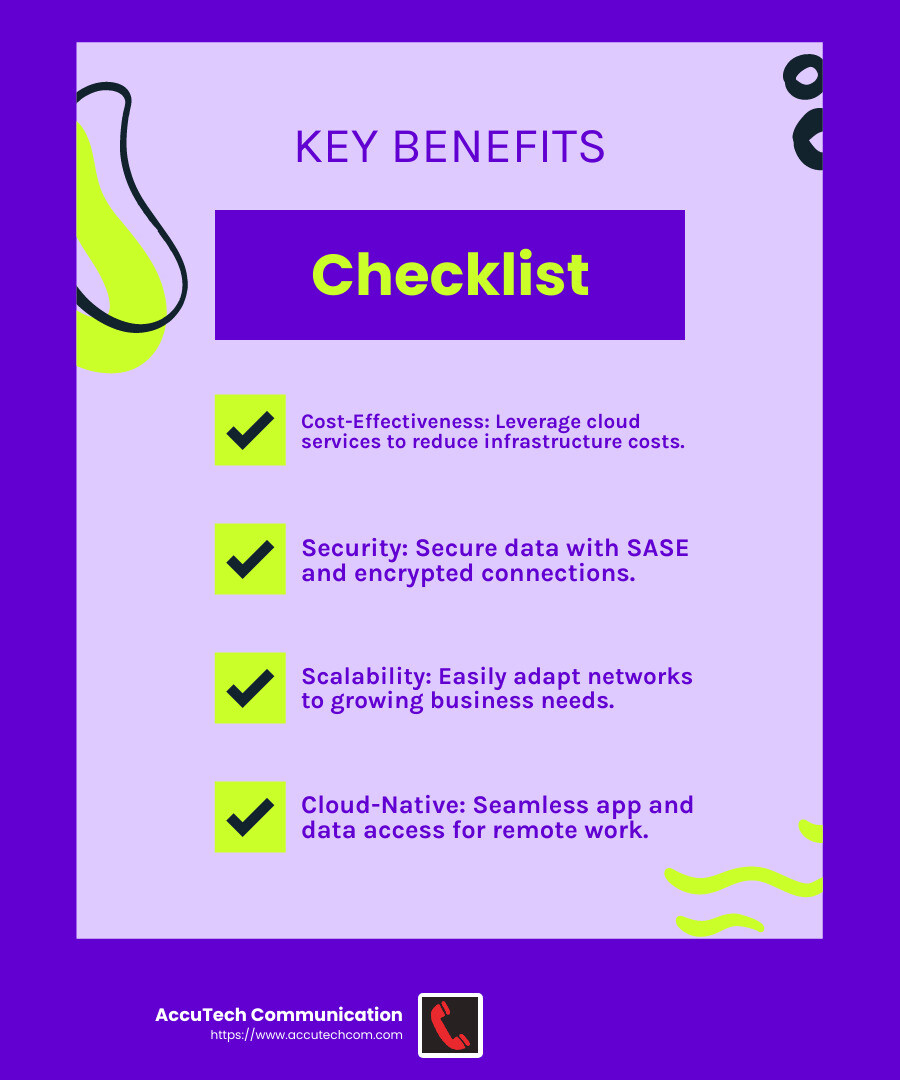
These benefits—cost-effectiveness, security, scalability, and cloud-native architecture—are why Network Communication Services are essential for any modern enterprise. They not only support daily operations but also provide a competitive edge in the business world.
As we dig deeper, we’ll see how these services are put into action, changing the way businesses operate in a digital-first environment.
Network Communication Services in Action
In today’s digital world, Network Communication Services are vital for enabling remote and hybrid work environments. Let’s look at how these services make it all possible.
Remote Work and Hybrid Work
The shift to remote and hybrid work has been a game-changer for businesses. With employees working from various locations, companies need reliable ways to stay connected. Network Communication Services provide the backbone for this connectivity. They allow employees to access company resources securely, whether they’re at home, in a coffee shop, or halfway across the globe.
Cloud technology plays a crucial role here. By moving applications and data to the cloud, businesses ensure that employees can access what they need without being tied to a specific location. This flexibility not only boosts productivity but also supports a better work-life balance.
“Expanded remote work has prompted many organizations to move more of their on-premises applications and workloads to the cloud, to increase agility and resilience.” Source
Cloud Technology and Application Access
Cloud technology is more than just a buzzword—it’s the future of work. With cloud-based solutions, businesses can offer seamless access to applications and data. This is vital for remote and hybrid work models, where employees need to collaborate in real-time, regardless of their physical location.
Network Communication Services also improve application access by ensuring that users experience minimal downtime and fast connections. This is especially important for businesses relying on data-intensive applications. Technologies like SD-WAN optimize traffic flow, making sure that critical applications get the bandwidth they need.
Security in a Digital World
As more work moves online, security becomes even more critical. Network Communication Services offer robust security measures that protect data and applications from cyber threats. Solutions like SASE provide secure, cloud-native architectures that safeguard data, no matter where it’s accessed from.
With secure connections, businesses can confidently support remote and hybrid work, knowing that their sensitive information is protected. This is crucial for maintaining trust with clients and ensuring compliance with data protection regulations.
In summary, Network Communication Services are changing how businesses operate by supporting remote and hybrid work, leveraging cloud technology, and enhancing application access. These services ensure that companies remain agile and resilient in a digital-first world, ready to tackle any challenge that comes their way.
Frequently Asked Questions about Network Communication Services
What is a network communication service?
Network communication services are essential tools that allow devices and applications to exchange data. Think of them as the digital highways that connect computers, smartphones, and other devices, enabling seamless communication. These services include a variety of technologies that provide cloud-based software solutions for building and running applications across a network.
What are examples of network communication?
Network communication takes many forms. Here are some examples:
- Digitally networked communication: This involves the use of digital platforms and internet-based services to send and receive data. Examples include email, instant messaging, and video conferencing.
- Globally networked communication: This refers to communication that spans across different countries and continents, facilitated by the internet. Social media platforms, international video calls, and cloud-based collaboration tools fall under this category.
How do network communication services support remote work?
Remote work has become increasingly common, and network communication services play a key role in making it possible. Here’s how:
- Remote locations: Employees can work from anywhere, be it their home or a remote office, thanks to network communication services. These services ensure that workers have access to the tools and data they need, no matter their location.
- Secure connections: Security is a top priority when working remotely. Network communication services provide secure connections through technologies like VPNs and cloud-native security solutions. This ensures that sensitive information remains protected from cyber threats.
- Cloud-based software: By utilizing cloud technology, businesses can offer employees access to applications and data without the need for physical servers. This flexibility allows for real-time collaboration and efficient workflow management, boosting productivity no matter where team members are located.
Network communication services are the backbone of modern remote work, providing the connectivity, security, and flexibility needed to thrive in today’s digital landscape.
Conclusion
At AccuTech Communications, we take pride in being a trusted partner for businesses in Massachusetts, New Hampshire, and Rhode Island. Our commitment to delivering certified service is what sets us apart. Since 1993, we’ve been providing reliable network cabling, business phone systems, and data center technologies. Our team of skilled technicians ensures that your network infrastructure operates at peak performance.
One of the reasons our clients choose us is our competitive pricing. We believe that quality service should be accessible, and we strive to offer solutions that fit your budget without compromising on quality. Our long-lasting relationships with clients are a testament to the value we deliver.
Quality is at the heart of everything we do. From consultation and design to installation and maintenance, our focus is on providing seamless and efficient network communication services. We understand that your network is the backbone of your business, and we are here to make it stronger.
If you’re looking for a partner to improve your network communication infrastructure, contact us today. Let us show you how our certified services, competitive pricing, and unwavering commitment to quality can benefit your business.
