
Business Office Phone Systems MA: Top 3 Reliable Picks
Business office phone systems ma are vital for any size business looking to thrive in today’s world. In Massachusetts, the shift from traditional phone lines to modern VoIP systems has transformed communication, offering flexibility, efficiency, and reduced costs. If you’re considering upgrading your business communication system, here’s what you need to know:
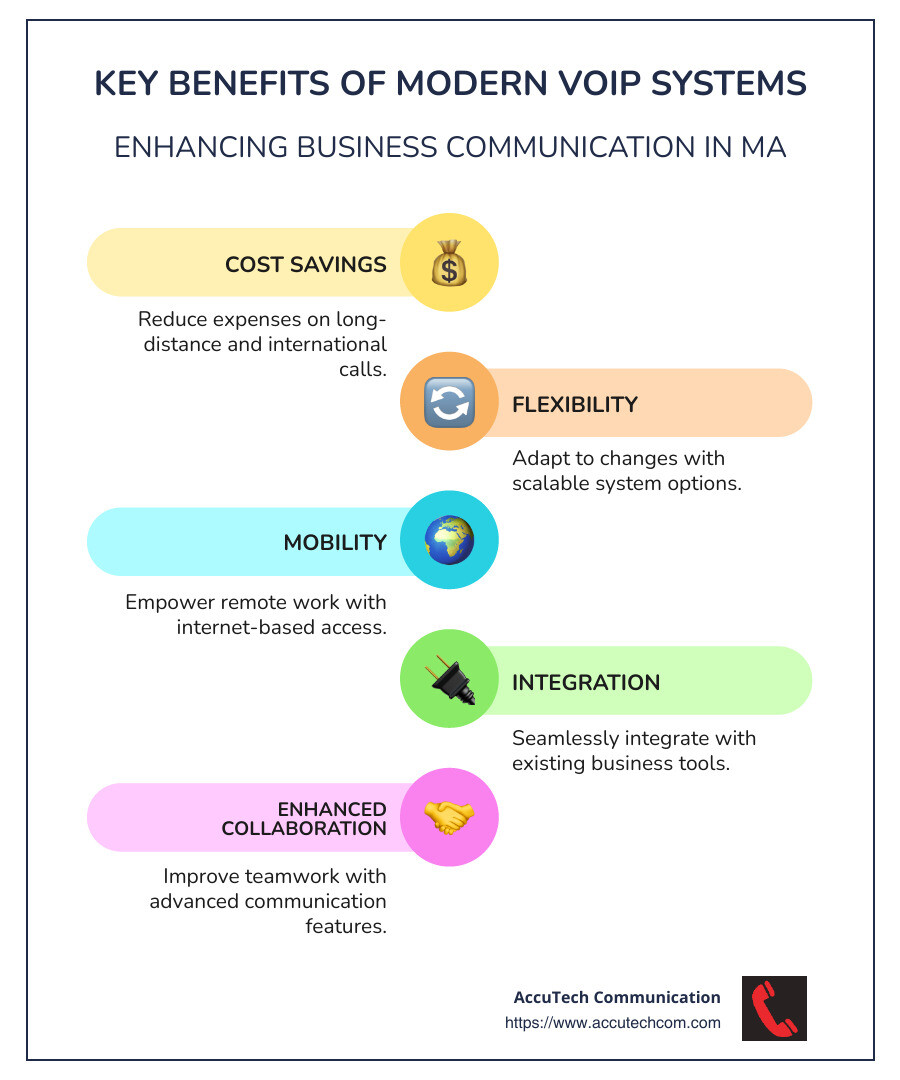
- VoIP Technology: Leverage internet-based systems for seamless connectivity.
- Cost Efficiency: Significant savings on long-distance and international calls.
- Scalability: Easily expand or reduce lines according to business needs.
- Mobility: Enable remote work with internet-based access.
Incorporating a robust VoIP system can improve collaboration, improve work-life balance, and boost productivity for your business.
I’m Corin Dolan, with over two decades of experience helping Massachusetts businesses steer business office phone systems ma. My team and I at AccuTech Communications are committed to ensuring your communication network is efficient and reliable.
Similar topics to business office phone systems ma:
– business communications services
– business communication systems
– phone services for business
Understanding Business Office Phone Systems MA
When it comes to business office phone systems in Massachusetts, understanding the different types available is crucial for making an informed decision. Here’s a breakdown of the primary systems you might consider:
VoIP (Voice over Internet Protocol)
VoIP is a game-changer in business communication. This technology allows you to make calls over the internet rather than using traditional phone lines. Benefits include:
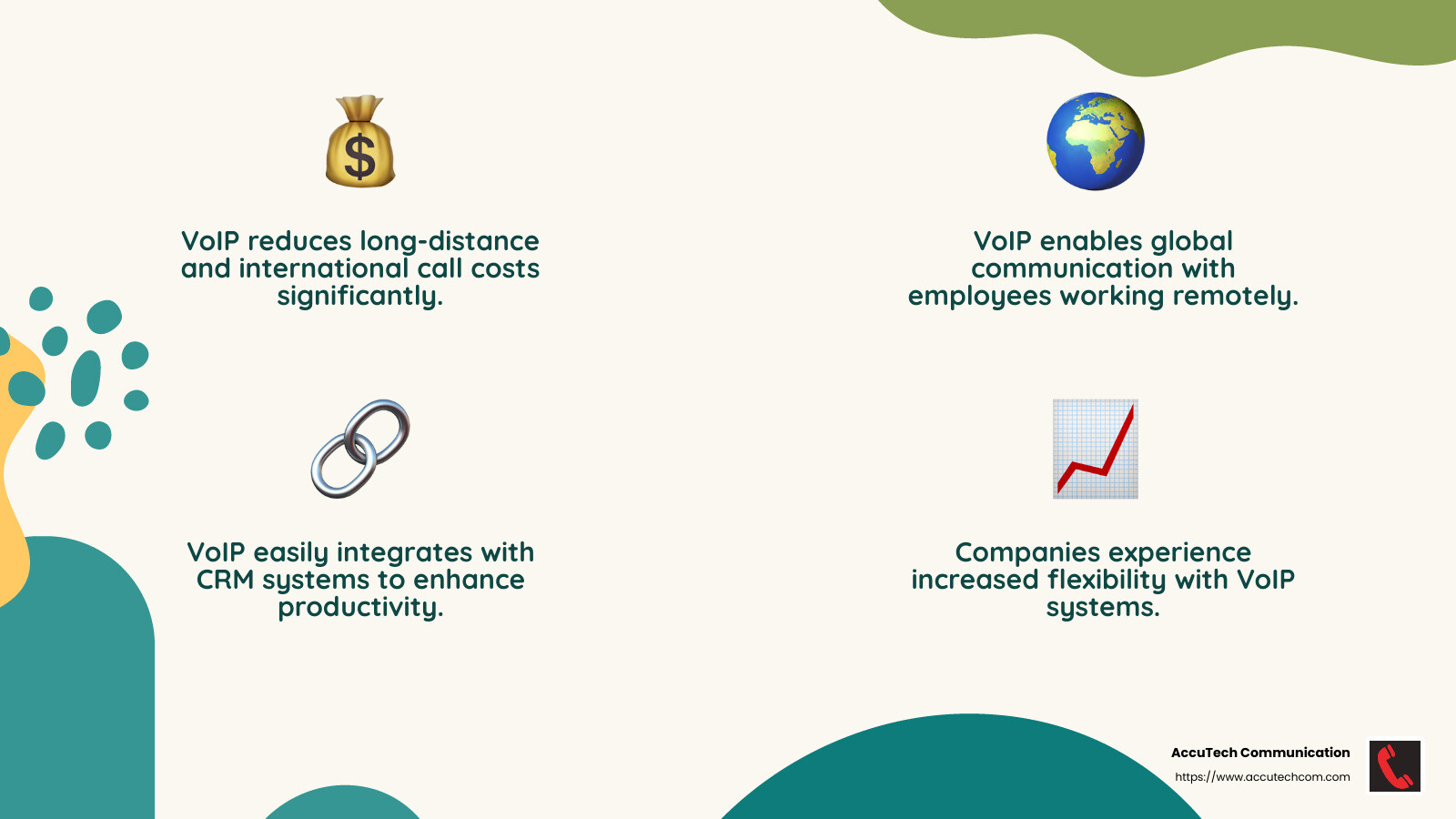
- Cost Savings: By using existing internet connections, VoIP significantly reduces long-distance and international call costs.
- Flexibility: Employees can make calls from anywhere with an internet connection, perfect for remote work.
- Integration: Easily integrates with other business tools like CRM systems, enhancing productivity.
PBX (Private Branch Exchange)
PBX systems have been around for a while and are often used by larger organizations. They provide a private telephone network within a company, allowing employees to communicate internally and externally using different communication channels like VoIP, ISDN, or analog.
- Reliability: Known for robust performance and reliability.
- Control: Offers more control over call management and routing.
- Scalability: Can be expanded with additional lines and features as your business grows.
KSU (Key System Unit)
KSU systems are more suited for small to medium-sized businesses. They offer many of the same features as PBX but are designed for fewer lines and users.
- Simplicity: Easier to set up and manage compared to PBX.
- Cost-Effective: Generally less expensive for small businesses.
- Basic Features: Provides essential features like call forwarding and voicemail.
Cloud-Based Systems
Cloud-based systems are becoming increasingly popular due to their ease of use and low maintenance requirements. These systems are hosted on a service provider’s server and accessed via the internet.
- Minimal Hardware: Requires little to no on-site equipment, reducing upfront costs.
- Automatic Updates: Providers manage updates, ensuring you always have the latest features.
- Scalability and Flexibility: Easily scalable and perfect for businesses with remote or mobile workers.
Each system has its own set of advantages, and the right choice depends on your specific business needs. Whether you prioritize cost savings, reliability, or flexibility, understanding these options will guide you towards the best business office phone systems ma for your company.
Next, let’s explore the benefits of modern phone systems and how they can transform your business communication.
Benefits of Modern Phone Systems
Modern phone systems offer several compelling benefits that can transform how your business operates. Let’s break down the key advantages:
Cost Savings
Switching to modern phone systems, especially VoIP, can lead to significant cost reductions. By utilizing your existing internet connection, you can avoid the hefty charges associated with long-distance and international calls. In fact, some businesses have reported up to a 65% reduction in long-distance expenses after making the switch. This means more money can be allocated to other essential areas of your business.
Scalability
As your business grows, so do your communication needs. Modern systems provide an easy pathway for scalability. Whether you need to add new lines or expand features, these systems allow for seamless adjustments. This flexibility ensures that your phone system can grow alongside your business without the need for major overhauls or additional infrastructure.
Integration
Integration capabilities are a standout feature of modern phone systems. They can easily connect with other business applications like CRM tools, email, and instant messaging platforms. This integration streamlines operations and improves productivity by allowing employees to access customer data and communicate effortlessly across departments.
Mobility
In today’s world, the ability to work from anywhere is crucial. Modern phone systems, particularly cloud-based ones, offer excellent mobility. Employees can make and receive calls from any location with internet access. This flexibility supports remote work, improves work-life balance, and ensures that your team stays connected, no matter where they are.
Modern phone systems are not just about making calls; they’re about changing your entire communication strategy. With benefits like cost savings, scalability, integration, and mobility, these systems are a wise investment for any business looking to stay competitive in today’s market.
Next, we’ll dive into the top features to consider when selecting a phone system for your business.
Top Features to Consider
When selecting a business office phone system in MA, there are several key features to keep in mind. These features ensure that your communication system is both efficient and reliable, meeting the unique needs of your business.
Call Quality
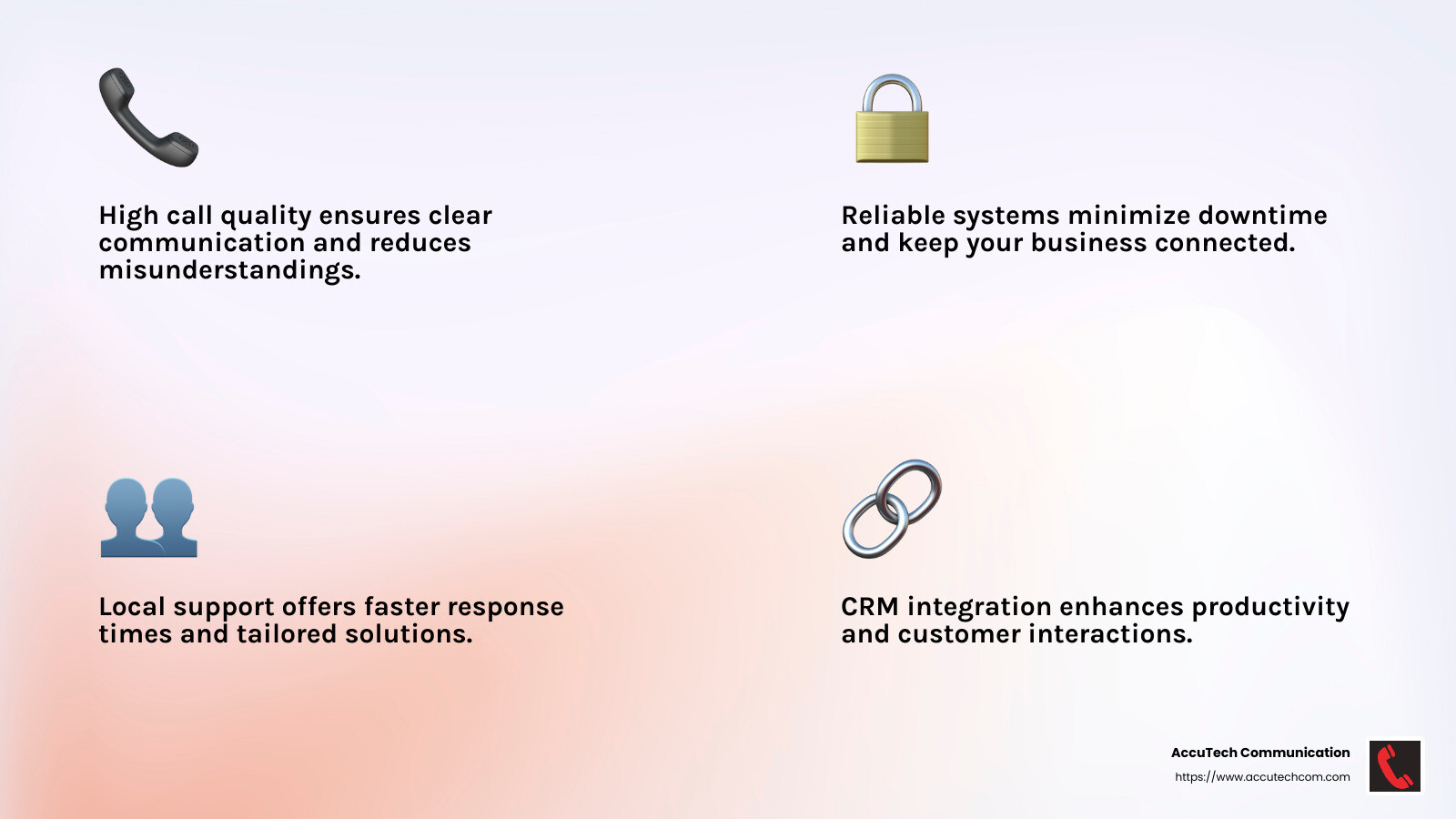
Call quality is the backbone of any phone system. Poor call quality can lead to misunderstandings and frustration, which could impact your business relationships. To ensure crystal-clear communication, choose a provider known for consistent and high-quality service. Look for systems that offer advanced features like noise reduction and echo cancellation to improve the clarity of each call.
Reliability
A reliable phone system is critical to maintaining seamless business operations. Downtime can be costly, disrupting communication with clients and among team members. Research providers that have a strong reputation for reliability and robust network infrastructure. A reliable system will minimize downtime and ensure that your business remains connected at all times.
Local Support
Having local support is invaluable. It means faster response times and personalized service that understands the specific needs of businesses in Massachusetts. Local providers are often more attuned to the regional market and can offer custom solutions. This proximity can be a significant advantage when you need prompt assistance or troubleshooting.
CRM Integration
Integration with Customer Relationship Management (CRM) tools is a game-changer for productivity. A phone system that seamlessly integrates with your CRM allows for efficient data management and improved customer interactions. Employees can access customer information during calls, making it easier to provide personalized service. This integration improves collaboration and streamlines processes across your business.
These features are crucial when considering a new phone system for your business. They ensure that your communication infrastructure is robust, efficient, and capable of supporting your business’s growth and operational needs.
Next, we’ll explore how to choose the right system custom to your business needs.
How to Choose the Right System
Choosing the right business office phone system in MA can feel overwhelming, but breaking it down into key steps makes it manageable. Here’s how to ensure you select the best system for your business.
Assess Your Business Needs
Start by evaluating your current and future communication needs. Consider the size of your team, the nature of your business, and your growth plans. Do you need a system that supports remote work? Will you benefit from advanced features like video conferencing or mobile integration? Understanding your specific requirements will guide your decision-making process.
Conduct Thorough Provider Research
Once you know what you need, it’s time to research providers. Look for companies with a strong reputation for reliability and customer service. Check reviews and testimonials to gauge user satisfaction. It’s also wise to choose providers with a local presence in Massachusetts, as they can offer custom support and understand regional business dynamics.
Determine Essential Features
Based on your business needs, list the essential features you require. This might include call forwarding, voicemail-to-email, or CRM integration. Compare different systems to see which ones offer the features you need. Not all systems are created equal, so prioritize the features that will improve your business operations the most.
Test the System
Before making a final decision, test the system if possible. Many providers offer demos or trial periods. This allows you to experience the system’s functionality and ensure it meets your expectations. Pay attention to call quality, ease of use, and how well it integrates with your existing tools.
By focusing on these steps, you can confidently choose a phone system that aligns with your business goals and improves your communication capabilities. Up next, we’ll address some frequently asked questions about business office phone systems in Massachusetts.
Frequently Asked Questions about Business Office Phone Systems MA
How much does a small business phone system cost?
The cost of a small business phone system can vary widely depending on the type of system you choose and the features you need. VoIP systems often offer cost savings compared to traditional landlines because they use the internet to make calls, reducing long-distance fees. Traditional landlines might have higher upfront costs due to hardware and installation fees but can be more straightforward for businesses that don’t require advanced features.
Pricing for VoIP systems can be flexible, often based on a subscription model, which can be scaled as your business grows. This means you only pay for what you need, making it a cost-effective option for many small businesses.
What are the types of business phone systems?
There are several types of business phone systems to consider:
- VoIP (Voice over Internet Protocol): Uses the internet for call transmission, offering flexibility and advanced features like CRM integration and mobile apps.
- PBX (Private Branch Exchange): A traditional system that routes calls internally and externally. It can be on-premises or hosted in the cloud, with the latter offering more flexibility and lower maintenance needs.
- KSU (Key System Unit): Ideal for smaller businesses, it offers basic features and is less complex than PBX systems. It’s a good choice for companies with fewer than 40 employees.
Each system has its pros and cons, so your choice should align with your business size, needs, and budget.
How do I set up a phone system in my office?
Setting up a phone system involves several key steps:
- Choose a Provider: Research and select a provider that offers the features and support your business needs. Opt for one with a strong reputation and local presence in Massachusetts for custom service.
- Sign a Provider Agreement: Once you’ve chosen a provider, you’ll need to sign an agreement. This will outline the terms of service, pricing, and any additional features included in your plan.
- Installation: Depending on the system, installation can range from plugging in a few devices to setting up a complex network. VoIP systems typically require less physical wiring compared to traditional PBX systems.
- Configuration: After installation, configure the system to suit your business needs. This includes setting up extensions, voicemail, and any other features you require.
- Testing: Conduct thorough testing to ensure everything works as expected. This includes checking call quality, feature functionality, and integration with existing tools.
By following these steps, you can smoothly set up a phone system that supports your business operations efficiently.
Conclusion
When it comes to business office phone systems in Massachusetts, AccuTech Communications stands out as a trusted partner. Since 1993, we’ve been committed to providing reliable service and competitive pricing to businesses across Massachusetts, New Hampshire, and Rhode Island.
Our expertise ensures that businesses, whether small or large, get the most out of their communication systems. We offer a variety of solutions, from traditional PBX systems to modern VoIP setups, custom to meet the specific needs of each client. Our certified technicians bring years of experience and a dedication to quality, ensuring your phone system is not just functional but optimized for peak performance.
Choosing AccuTech means opting for a provider with a deep understanding of local business needs and a commitment to customer satisfaction. We believe in building long-lasting relationships with our clients, many of whom have trusted us for over two decades. Our local presence ensures prompt support and personalized service, making us a reliable choice for your business communication needs.
Interested in upgrading your office phone system? Contact us today to explore how we can improve your communication capabilities. Let us help you stay connected and grow your business with confidence.
