
Cabling and Networking: Top 4 Powerful Benefits 2024
Cabling and networking form the underpinnings of successful IT infrastructure. They’re critical for any organization that relies on technology. Whether it’s hospitals needing seamless communication or businesses aiming for smooth operations, understanding the essentials of cabling and networking holds the key. Keep these points in mind:
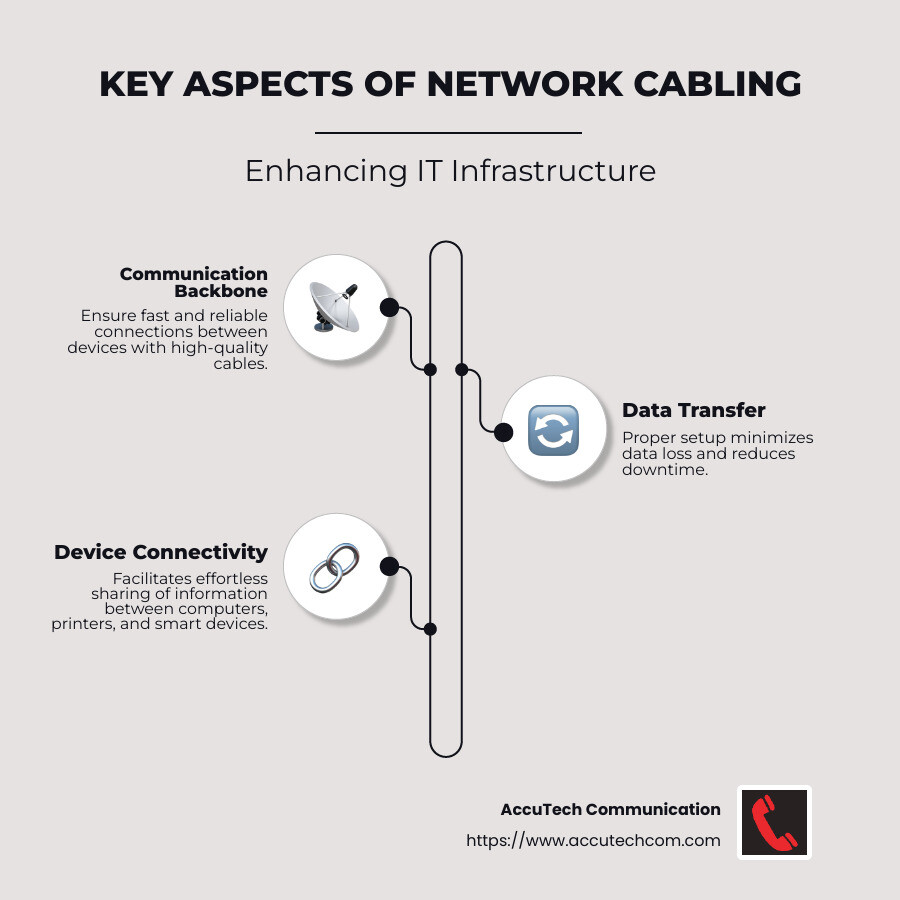
- Communication Backbone: High-quality cables ensure fast, reliable connections between devices.
- Data Transfer: Proper setup minimizes data loss and downtime.
- Device Connectivity: It allows computers, printers, and smart devices to share information effortlessly.
As the backbone of IT infrastructure, network cabling is vital for maintaining operations and ensuring compliance with industry standards.
My name is Corin Dolan, and I am the Owner of AccuTech Communications. My expertise in cabling and networking helps businesses across Massachusetts, New Hampshire, and Rhode Island optimize their communication systems and maintain robust IT infrastructures.
Cabling and networking glossary:
– Network Cabling Contractor Near Me
– Network Cabling Services
– cable contractor companies
Understanding Network Cabling
Network cabling is the physical infrastructure that connects all your devices, enabling smooth data transmission. Think of it as the roadways of your digital world, allowing information to travel from one device to another.
Network Cables: The Building Blocks
At the heart of network cabling are the cables themselves. They come in different types and serve various purposes, ensuring that your devices can communicate efficiently.
- Ethernet Cables: These are the most common type of network cables. They connect devices to a local area network (LAN) or the internet. Ethernet cables are known for their reliability and speed, making them a staple in most IT setups.
- Fiber Optic Cables: Unlike traditional copper cables, fiber optic cables use light to transmit data. This allows them to carry more data over longer distances with less signal loss.
- Coaxial and Twisted Pair Cables: Each serves specific needs, from older setups to modern high-speed networks.
The Role of Ethernet in Network Cabling
Ethernet is a protocol that defines how data is transmitted across a network. It’s not a cable, but the rules that govern the data highway. Most network cables, especially copper twisted pair cables, are designed to carry Ethernet signals.
Why Ethernet Matters:
- Speed and Efficiency: Ethernet supports high-speed data transfer, which is essential for modern applications.
- Versatility: It works with various types of cables, from coaxial to fiber optic, allowing flexibility in network design.
Data Transmission: The Lifeblood of Networking
Data transmission is the process of sending and receiving data between devices. Proper network cabling ensures this happens without interruption or loss.
Key Considerations:
- Signal Integrity: High-quality cables maintain signal strength, reducing errors and data loss.
- Bandwidth: The right cables support the necessary bandwidth, ensuring smooth operations even with high data demands.
Understanding network cabling is crucial for anyone looking to optimize their IT infrastructure. By choosing the right cables and ensuring proper installation, you can improve your network’s performance and reliability.

Next, we’ll explore the different types of networking cables and their specific applications.
Types of Networking Cables
When it comes to cabling and networking, choosing the right type of cable is crucial. Different cables serve different purposes, and understanding their unique characteristics can help you make informed decisions.
Coaxial Cable
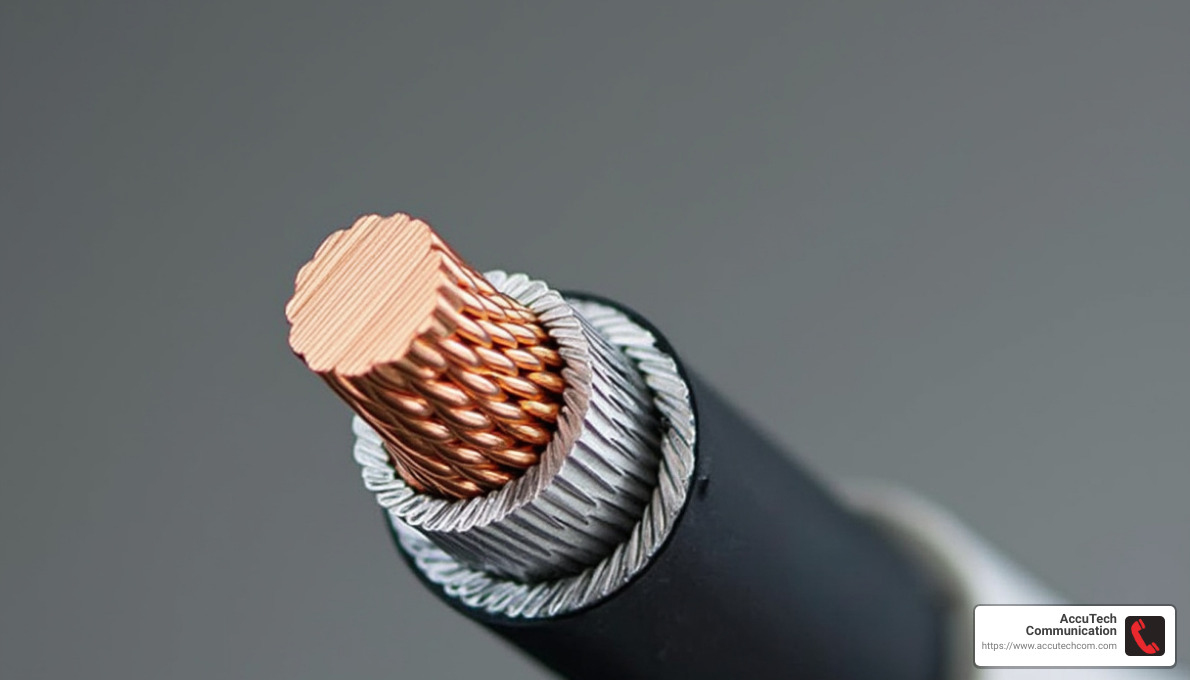
Coaxial cables are like the old-school workhorses of the networking world. They have a single copper core surrounded by insulation and a braided metal shield. This design helps block out signal interference from things like fluorescent lights and motors.
- Applications: Coaxial cables are often used in older Ethernet installations and are still common in cable TV networks.
- Strengths: They are highly resistant to interference and can handle longer distances than some other cables.
Fiber Optic Cable
Fiber optic cables are the superstars of long-distance data transmission. They use a glass core to transmit data as light, which means they can carry a lot of data over long distances without losing signal quality.
- Applications: Ideal for connecting networks between buildings or across large campuses due to their high speed and long-range capabilities.
- Strengths: Immune to electrical interference, making them perfect for environments with a lot of electronic noise.

Shielded Twisted Pair (STP) Cable
STP cables are the armored knights in networking cables. They consist of copper wires with an extra layer of shielding to protect against interference.
- Applications: They are great for environments with a lot of potential interference, like industrial settings.
- Strengths: The shielding provides interference resistance, ensuring a stable connection even in challenging environments.
Unshielded Twisted Pair (UTP) Cable
UTP cables are the go-to choice for many network setups. They are cost-effective and widely used in both residential and commercial environments.
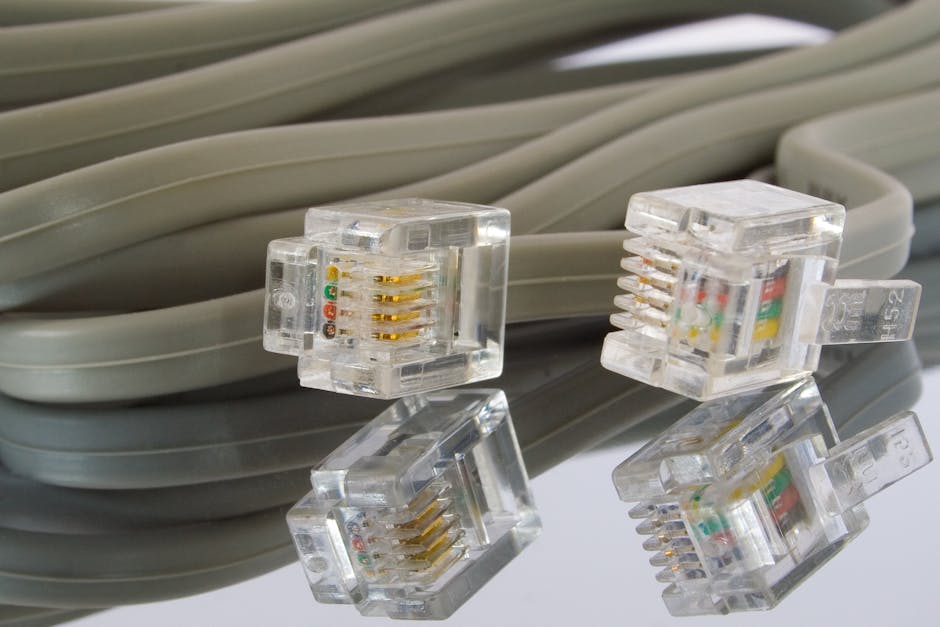
- Applications: Commonly used for Ethernet connections, making them a staple in home and office networks.
- Strengths: Easy to install and maintain, UTP cables are perfect for most general networking needs.
Each type of cable has its strengths and is suited for different scenarios. Whether you need the long-range capabilities of fiber optics or the interference resistance of STP, choosing the right cable is key to building a reliable network.
In the next section, we’ll explore the benefits of proper cabling and networking and how it can impact your overall network performance.
Benefits of Proper Cabling and Networking
Investing in the right cabling and networking can transform your business in multiple ways. Let’s break down some of the key benefits.
Improved Performance
Proper cabling boosts your network’s performance by enhancing bandwidth and signal quality. This means faster data transmission, allowing you to stream videos, download files, and conduct video conferences without a hitch. Imagine a busy office where everyone can work seamlessly without waiting for files to load or calls to connect. That’s the power of an optimized network.
Increased Security
Security is a big deal. With well-installed network cabling, you can safeguard your network from unauthorized access and potential threats like hackers or viruses. Think of it like a security system for your data. By using effective cabling solutions, you build a strong line of defense, keeping sensitive information safe.
Lower Costs
Efficient cabling reduces costs in the long run. How? By minimizing the need for expensive repeaters or additional hardware to boost weak signals. Companies that plan their cabling infrastructure wisely save thousands annually. It’s like fixing a leaky pipe before it floods your house—preventive measures save money and headaches.
Increased Productivity
A robust network means your team can work more efficiently. Faster, more reliable connections mean less downtime and more time for innovation. Employees can complete tasks quicker, leaving room for new projects and growth. Picture a workplace where technology empowers, not hinders—proper cabling makes this possible.
In summary, proper cabling and networking are not just technical details—they are essential for a smooth-running, secure, and cost-effective business. Next, we’ll dive into the best practices for ensuring your network cabling is top-notch.
Cabling and Networking Best Practices
To ensure your cabling and networking setup is top-notch, you need to follow some best practices. These will help you avoid common pitfalls and keep your network running smoothly.
Cable Management
Good cable management is crucial. Imagine a tangled mess of cables under your desk—it’s not just an eyesore, but a potential hazard. Instead, use cable management solutions like cable trays, raceways, or Velcro straps to keep everything organized. Velcro is preferred over nylon ties because it’s gentle on cables and easy to adjust. Proper management not only looks neat but also extends the life of your cables by preventing damage from tight bends or kinks.
Installation Guidelines
When installing network cables, consistency is key. Stick to one wiring standard, either T568A or T568B, to avoid connectivity issues. Consistency across your network ensures everything works together seamlessly.
Remember to follow the recommended bend radius guidelines to prevent signal loss. Sharp bends can damage the cables, compromising data transmission. Also, consider installing service loops to allow for future changes or corrections without needing to re-run cables. This foresight can save time and money down the line.
Testing Connections
Testing your network connections is non-negotiable. After installation, use cable testers to check for proper wiring and continuity. This step ensures your network meets performance standards and identifies any issues early on. Professional-grade testers, like those from Fluke, provide detailed reports, but even budget-friendly options can offer valuable insights.
By following these best practices, you can maintain a well-organized, efficient, and reliable network infrastructure. Next, we’ll address some common questions about cabling and networking.
Frequently Asked Questions about Cabling and Networking
What is cabling in networking?
Network cabling is the physical infrastructure that connects computers and other devices to a network. Think of it as the roads that allow data to travel from one place to another. Without these cables, your devices wouldn’t be able to communicate or share resources like printers or internet access. It’s an essential part of any IT setup, whether at home or in a business.
What are the 4 types of networking cables?
There are four main types of network cables, each with unique characteristics:
- Coaxial Cable: This is the old-school option, often found in older buildings. It has a copper core surrounded by insulation and a metal sheath. Coaxial is good for short distances but isn’t ideal for modern commercial networks.
- Fiber Optic Cable: This type uses glass or plastic fibers to transmit data as light pulses. It’s super fast and can carry data over long distances without losing signal quality. It’s perfect for high-speed, high-bandwidth applications.
- Shielded Twisted Pair (STP) Cable: STP cables have pairs of wires twisted together and shielded to reduce interference. They’re great for environments with lots of electronic noise, like factories.
- Unshielded Twisted Pair (UTP) Cable: UTP is the most common type of cable used in networks today. It’s cost-effective and works well in most environments, making it a popular choice for both home and business networks.
How to do cabling in a network?
Setting up a network involves several key steps:
- Planning: Start by designing your network layout. Decide where each device will be located and how they’ll connect to each other.
- Choosing Cables: Select the right type of cable for your needs. Consider factors like distance, speed requirements, and potential interference.
- Installation: Run cables from one device to another, keeping them organized with cable management solutions. Avoid sharp bends to prevent damage.
- Termination: Connect cables to devices using standardized wiring schemes like T568A or T568B. Consistency is crucial to avoid connectivity issues.
- Testing: After installation, use cable testers to ensure everything works correctly. This step checks for proper wiring and signal continuity.
- Documentation: Label each cable and document your setup. This will make future maintenance and troubleshooting much easier.
By following these steps, you can create a reliable and efficient network that meets your specific needs. Now, let’s move on to our conclusion.
Conclusion
AccuTech Communications has been a cornerstone in the network cabling industry since 1993, serving businesses across Massachusetts, New Hampshire, and Rhode Island. With a focus on certified, reliable service and competitive pricing, we have built a reputation for quality and trustworthiness.
Our team is committed to delivering top-notch cabling and networking solutions. We understand that your network is the backbone of your business operations. That’s why we offer a comprehensive range of services, from consultation and design to installation and maintenance. Our certified technicians ensure that your network infrastructure is optimized for peak performance, whether you’re a small business or a large corporate campus.
In Massachusetts, where technology and business are constantly evolving, having a reliable partner like AccuTech Communications is crucial. We stay ahead of industry trends and standards to provide you with the most efficient and up-to-date solutions. Our expertise in network cabling, business phone systems, and data center technologies allows us to tailor our services to your specific needs, ensuring that your business remains connected and competitive.
If you’re looking to improve your network infrastructure, we invite you to explore our network cable services. Let us help you open up the full potential of your network. Contact us today to learn more about how we can support your business’s communication needs.
