
Conduit for Electrical Wire: Top 5 Best Safe Options
Conduit for electrical wire is essential in ensuring the safety and longevity of electrical systems in various structures. Conduits serve as protective channels, housing electrical wires to guard them against physical damage, moisture, and environmental hazards. By adhering to established safety standards, these conduits help maintain the integrity and functionality of electrical installations.
- Protection: Shields wires from physical harm, moisture, and corrosion.
- Types: Includes metallic and non-metallic, rigid and flexible conduits.
- Safety: Complies with regulations for safe and efficient electrical systems.
Incorporating conduits into your electrical wiring plans is crucial for meeting safety standards and protecting your investments. This includes the choice of materials and installation techniques custom to the specific needs of your environment.
I’m Corin Dolan, and with over 500 connections in the industry, I lead AccuTech Communications’ efforts in enhancing robust communication systems. With experience in conduit for electrical wire across Massachusetts, New Hampshire, and Rhode Island, I ensure our clients receive expert guidance and reliable solutions.
Related content about conduit for electrical wire:
– how to install electrical conduit
– conduit installation guide
– underground electrical conduit
Types of Conduit for Electrical Wire
When it comes to conduit for electrical wire, choosing the right type is crucial for both protection and compliance. There are two main categories to consider: metallic and nonmetallic conduits. Each comes in rigid and flexible forms, offering different benefits based on your specific needs.
Metallic Conduit
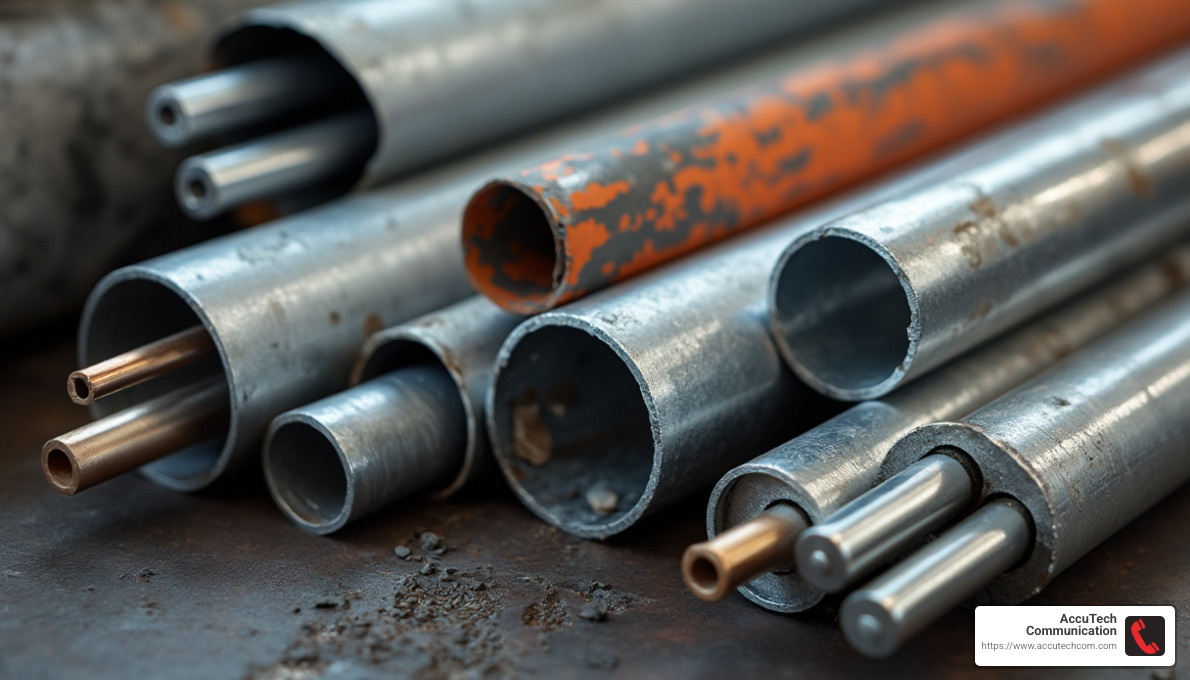
Metallic conduits are often the go-to for heavy-duty protection. They are robust, durable, and provide excellent physical shielding for wires. Here’s a quick rundown of the types:
- Rigid Metal Conduit (RMC): This type is known for its thick walls and high durability. RMC is often used in commercial and industrial settings where maximum protection is needed. It’s perfect for straight runs through spaces like attics or garages.
- Galvanized Rigid Conduit (GRC): Similar to RMC but with a galvanized coating, GRC offers added corrosion resistance, making it ideal for outdoor applications.
- Electrical Metallic Tubing (EMT): Lighter and easier to install than other metallic options, EMT is suitable for indoor use. It’s flexible enough for bending around obstacles without additional fittings.
Nonmetallic Conduit
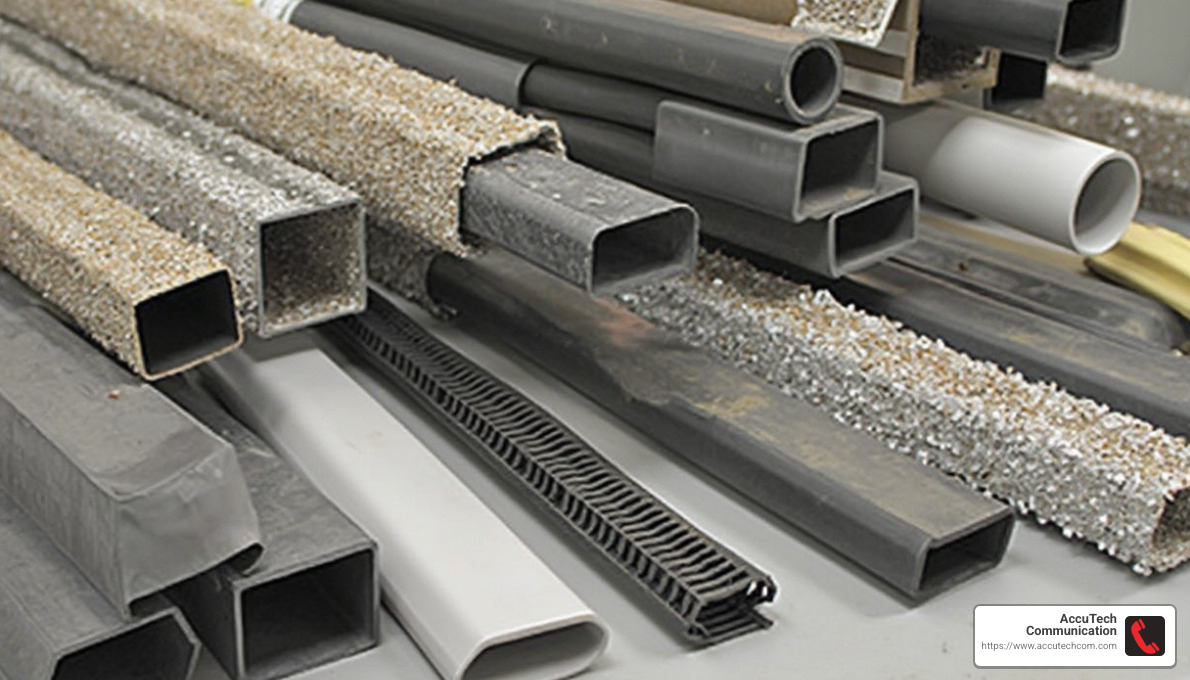
For areas where moisture or corrosion is a concern, nonmetallic conduits are often preferred. They are lightweight and easy to install, making them a popular choice for residential applications.
- PVC Conduit: Commonly used both indoors and outdoors, PVC is cost-effective and resistant to corrosion. It requires a separate grounding wire, but its versatility makes it a favorite among electricians.
- Liquid-Tight Non-Metallic Conduit: This type is watertight and non-corrosive, perfect for outdoor installations where flexibility is needed.
- Electrical Nonmetallic Tubing (ENT): Designed for indoor use, ENT is lightweight and easy to handle. It’s a good fit for walls and ceilings where flexibility is needed.
Rigid vs. Flexible Forms
Whether you choose metallic or nonmetallic, conduits come in rigid and flexible forms.
- Rigid Conduits: Provide strong, straight-line protection. They’re ideal for environments where the conduit path is straightforward and doesn’t require bending.
- Flexible Conduits: Allow for easy installation around obstacles. They’re perfect for spaces with corners or curves, reducing the need for additional fittings.
Choosing the right type of conduit depends on your specific needs, including the installation environment and the level of protection required. Understanding the options available helps ensure that your electrical systems remain safe and efficient.
In the next section, we’ll dive deeper into the specifics of metallic conduits, exploring the unique advantages of each type.
Metallic Conduits
When it comes to metallic conduits, they are the champions of durability and protection. Let’s break down the three main types you’ll encounter: Rigid Metal Conduit (RMC), Galvanized Rigid Conduit (GRC), and Electrical Metallic Tubing (EMT).
Rigid Metal Conduit (RMC)
RMC is like the heavyweight champion of conduits. Made from galvanized steel, it’s tough and built to last. Its thick walls provide excellent protection, making it ideal for commercial and industrial environments where heavy-duty shielding is essential. Although RMC is on the pricier side due to both material and labor costs, its strength makes it worth considering for areas that require maximum security, like attics or garages.
Galvanized Rigid Conduit (GRC)
Think of GRC as RMC’s close cousin, with an extra layer of defense. The galvanized coating offers improved corrosion resistance, which is particularly useful for outdoor applications. GRC can withstand harsh weather and UV exposure, making it a reliable choice for outdoor installations. However, its weight and handling challenges can make installation more costly and labor-intensive.
Electrical Metallic Tubing (EMT)
EMT is the nimble option in the metallic conduit family. It’s lighter and more flexible than RMC and GRC, which makes it easier to install, especially indoors. The thin walls of EMT mean it can’t be threaded like its heavier counterparts, but it can be bent to steer around obstacles without needing additional fittings. EMT is a popular choice in both residential and commercial settings for its ease of use and cost-effectiveness.
In summary, choosing between these metallic conduits depends on your specific needs. If you require robust protection and don’t mind the extra cost, RMC or GRC are excellent choices. For easier and more flexible installation, especially indoors, EMT might be the way to go.
Next, we’ll explore nonmetallic conduits and their unique features.
Nonmetallic Conduits
When you’re looking for lightweight and flexible options, nonmetallic conduits are your go-to. They offer a range of benefits, especially in areas where metallic conduits might not be the best fit. Let’s explore the most common types: PVC conduit, liquid-tight non-metallic conduit, and electrical nonmetallic tubing (ENT).
PVC Conduit
PVC conduit is a popular choice for its affordability and ease of use. It’s light and can be easily cut and installed, making it a favorite for many residential and commercial projects. However, PVC has its limitations. It’s not ideal for outdoor use in direct sunlight due to poor UV stability, which can lead to degradation over time. Moreover, PVC must be mounted with care to allow for expansion and contraction, as it can deform in high temperatures.
“Traditionally PVC has been an inexpensive conduit, but recent supply chain issues have made it more costly and harder to source,” according to industry insights.
Liquid-Tight Non-Metallic Conduit
If you need a conduit that can handle wet conditions, liquid-tight non-metallic conduit is the answer. It provides excellent protection against moisture, making it perfect for outdoor or damp environments. Its flexible design allows for easy installation around corners and tight spaces without the need for special tools. This type of conduit is often used in areas where water exposure is a concern, such as basements or outdoor lighting installations.
Electrical Nonmetallic Tubing (ENT)
ENT is the flexible friend in the nonmetallic group. It’s thin-walled and corrugated, allowing for easy bending by hand without the need for heat or special tools. ENT is flame retardant but not fire-rated, which means it’s best used inside walls or concrete blocks where it won’t be exposed. Its flexibility and ease of installation make it a practical choice for many indoor applications, especially in tight or complex layouts.
“ENT can be field bent by hand without requiring any special tools or the application of heat,” making it a versatile option for quick installations.
In summary, nonmetallic conduits like PVC, liquid-tight, and ENT offer unique advantages in terms of flexibility and ease of installation. However, each comes with its own set of considerations, such as UV stability and fire resistance, which should be factored into your decision-making process. Next, we’ll discuss how to choose the right conduit for your specific installation needs.
Choosing the Right Conduit for Electrical Wire
Selecting the right conduit for electrical wire involves balancing several factors. Key considerations include corrosion resistance, cost, and the installation environment. Let’s explore each of these to help you make an informed decision.
Corrosion Resistance
When it comes to corrosion resistance, the environment plays a major role. For outdoor or damp environments, selecting a conduit that can withstand moisture and prevent rust is crucial. Galvanized rigid conduit (GRC) is a great choice for robust protection against corrosion, as it’s coated with zinc to fend off rust. In contrast, PVC conduit is immune to rust since it’s non-metallic, making it ideal for environments where moisture is a concern.
Cost Considerations
Budget is often a deciding factor in choosing a conduit. While rigid metal conduit (RMC) offers excellent protection, it is typically more expensive than its nonmetallic counterparts. PVC conduit is generally more affordable and easier to install, which can save on labor costs. However, recent supply chain challenges have impacted PVC’s availability and price, so it’s wise to check current market conditions before making a decision.
Installation Environment
The installation environment will dictate the type of conduit that best suits your needs. In dry, indoor settings, electrical metallic tubing (EMT) is often preferred due to its light weight and ease of installation. However, it doesn’t offer the same level of protection against moisture as other options. For wet or corrosive environments, liquid-tight non-metallic conduit provides excellent moisture resistance and flexibility, making it suitable for outdoor or underground installations.
“Always consider the specific needs of your installation environment when choosing a conduit,” advises industry experts. This ensures the longevity and safety of your electrical installations.
By understanding these key factors—corrosion resistance, cost, and installation environment—you can choose the right conduit that meets your project’s specific requirements. Up next, we’ll address some frequently asked questions about conduit for electrical wire, including legal considerations and protection needs.
Frequently Asked Questions about Conduit for Electrical Wire
What conduit for electrical wiring?
When it comes to choosing the right conduit for electrical wire, it’s important to consider the level of protection you need. Galvanized rigid conduit (GRC) is a top choice for areas where electromagnetic interference protection is crucial. Its thick, galvanized walls provide excellent shielding against electromagnetic interference, making it ideal for commercial applications or sensitive installations.
Is it illegal to put Romex in conduit?
Using non-metallic cable like Romex inside a conduit isn’t inherently illegal, but there are specific legal conditions to be aware of. In many areas, it’s permissible to run Romex through conduit to provide additional protection, especially in environments where the cable could be exposed to potential damage. However, always check local electrical codes to ensure compliance, as regulations can vary.
Do all electrical wires need to be in conduit?
Not all electrical wires require conduit. Direct burial wire, for example, is designed to be placed directly in the ground without additional protection. However, using conduit can offer added damage protection and is often recommended in areas where wires are exposed to physical threats or harsh environmental conditions. Conduit is particularly useful in outdoor settings where wires could be damaged by weather, animals, or human activity.
Understanding these nuances can help you make informed decisions about your electrical installations. Always prioritize safety and compliance with local codes to ensure your projects are both effective and secure.
Conclusion
At AccuTech Communications, we understand that choosing the right conduit for electrical wire is crucial for safety and efficiency. Our commitment to quality is reflected in the certified services we offer. Since 1993, we’ve been a trusted partner for businesses in Massachusetts, New Hampshire, and Rhode Island, providing reliable solutions custom to meet the unique needs of each client.
Our team is dedicated to delivering top-notch service with competitive pricing, ensuring that your electrical installations are both cost-effective and durable. We pride ourselves on our ability to adapt to the evolving needs of our clients, offering a range of options to suit various environments and applications.
Whether you’re dealing with complex commercial installations or straightforward residential projects, our expertise ensures that your wiring is protected and compliant with the latest standards. We are always here to help you make informed decisions about your electrical infrastructure.
For those looking to improve their electrical installations with the right conduit solutions, explore our Innerduct Installation Services to find how we can support your business’s communication needs. Let us help you build a safer, more efficient electrical system today.
