When Innerduct Makes Sense for a Future Fiber Expansion
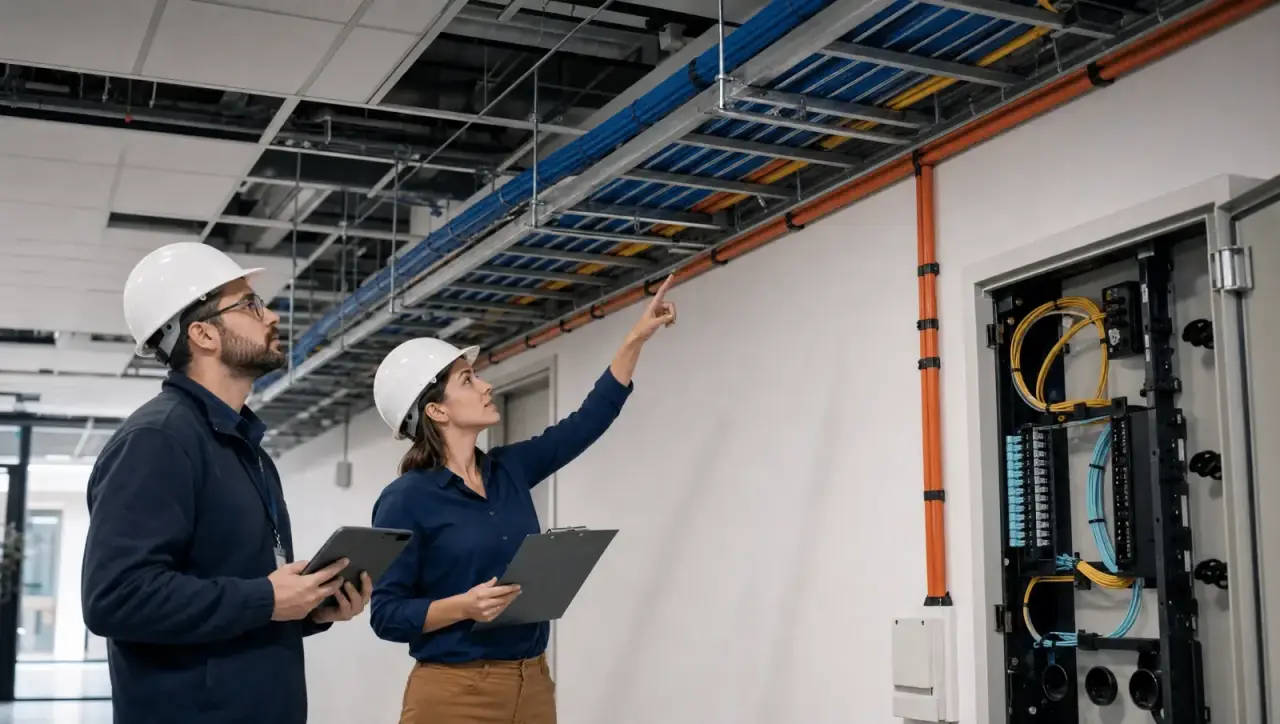
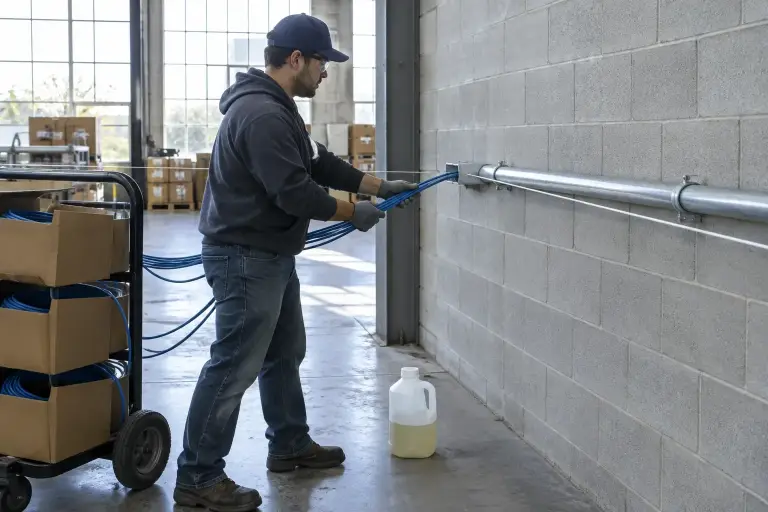
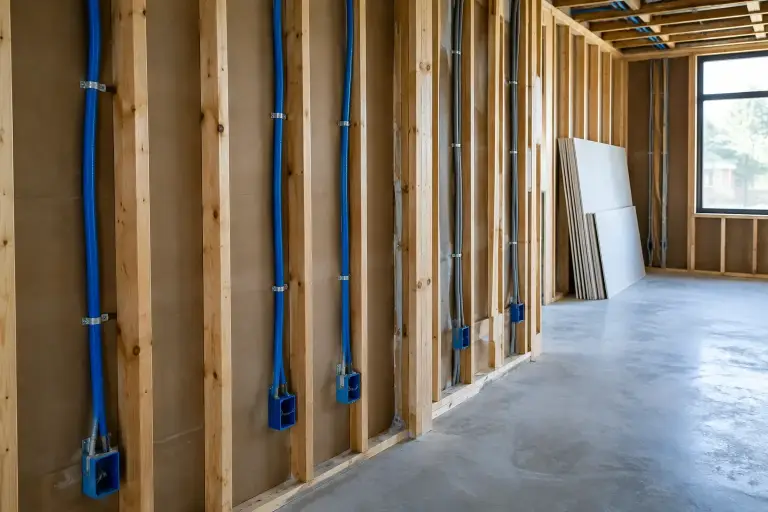
Innerduct is most useful when a project needs a defined, protected, and reusable pathway for fiber, not simply another layer of material. It can separate cables, reduce exposure during later pulls, organize a shared conduit, and preserve an intentional expansion route. It can also consume limited pathway area or create an unusable route if size, bends, pull points, fire rating, and access are not designed together.
Start with the future cable, not the empty pathway
Document the likely fiber type, construction, outside diameter, connector strategy, pulling or blowing method, minimum bend requirements, and expected growth. A “spare pathway” is not valuable if the future assembly will not fit or the pulling tension and bend geometry cannot be controlled. The Fiber Optic Association installation standard emphasizes planning around cable specifications, pulling limits, bend radius, route conditions, and testing.
Use a pathway decision table
| Condition | Why innerduct may help | What must be checked |
|---|---|---|
| Shared conduit with multiple cable groups | Creates separation and a recognizable future route | Conduit fill, innerduct outside diameter, pull access, and existing cable condition |
| Long or difficult route | Can protect a cable and support a planned installation method | Bends, pull points, tension, friction, elevation change, and manufacturer limits |
| Occupied building with expensive disruption | Moves pathway work into the current project | Firestopping, access panels, ceiling restoration, and future entry procedures |
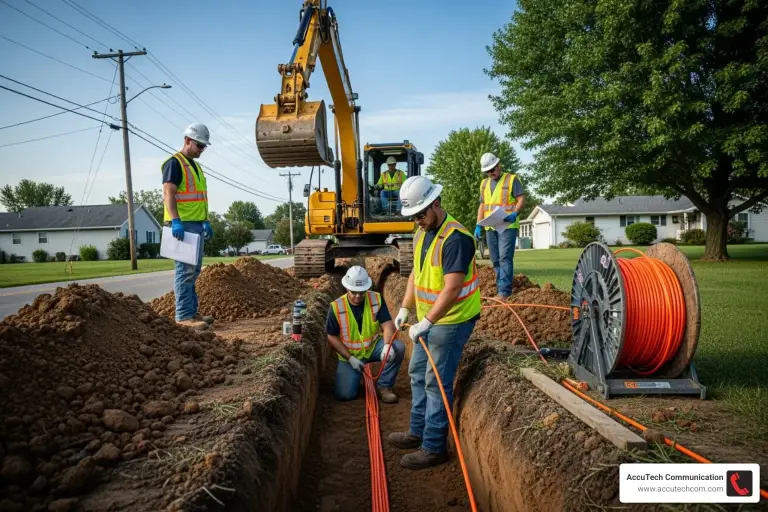
| Campus or exterior transition | Defines a route through changing environments | Listed/rated materials, moisture, drainage, temperature, handholes, and local requirements |
Measure the complete route
Inventory every conduit segment, sleeve, handhole, pull box, telecommunications space, and transition. Count bends between accessible pull points, note vertical sections and offsets, and confirm whether the existing pathway is actually continuous. A crushed section, unknown underground route, full sleeve, or inaccessible pull box can invalidate an otherwise reasonable design.
For an occupied facility, include access restrictions and restoration. A route may be technically possible but operationally poor if every future pull requires opening finished ceilings or interrupting a critical area.
Design the details that make a spare route usable
- Correct innerduct material and listing for the environment
- Size based on the intended cable and installation method
- Controlled bends and accessible pull points
- Rated sealing and firestopping at penetrations
- Pull tape or rope appropriate to the planned work
- End caps or plugs that keep the pathway clean
- Durable labels at both ends and intermediate access points
- As-built records showing route, length, occupancy, and availability
Do not treat every spare as available capacity
A spare innerduct can be reserved, blocked, damaged, too small, or incompatible with the future cable. Record its verified status at project closeout. Where future capacity is important, the owner should know how many pathways are installed, which are occupied, which are reserved, and the assumptions behind each one.
Questions for the design meeting
Is innerduct always required for fiber?
No. The right pathway depends on cable construction, environment, protection needs, route, code requirements, and the owner’s expansion plan. Cable tray, listed supports, conduit, innerduct, or another designed pathway may be appropriate.
Can innerduct be added to an occupied conduit?
Sometimes, but only after verifying fill, existing cable condition, pulling risk, access, and separation. A pathway that is physically open is not automatically safe to disturb.
What should closeout include?
At minimum: route identification, measured length, end locations, intermediate pull points, material and size, pull-tape status, firestop record, occupancy, test results for installed fiber, and photographs where access will later be concealed.
For a project-specific pathway review, see Accutech’s innerduct installation services, related EMT piping services, and data-center build-out capabilities.