Network Cable Installation Near Me: Top 5 Essential Tips
When businesses search for network cable installation near me, they are often looking for reliable services that can set up or upgrade their necessary communication infrastructure. To swiftly address this need:
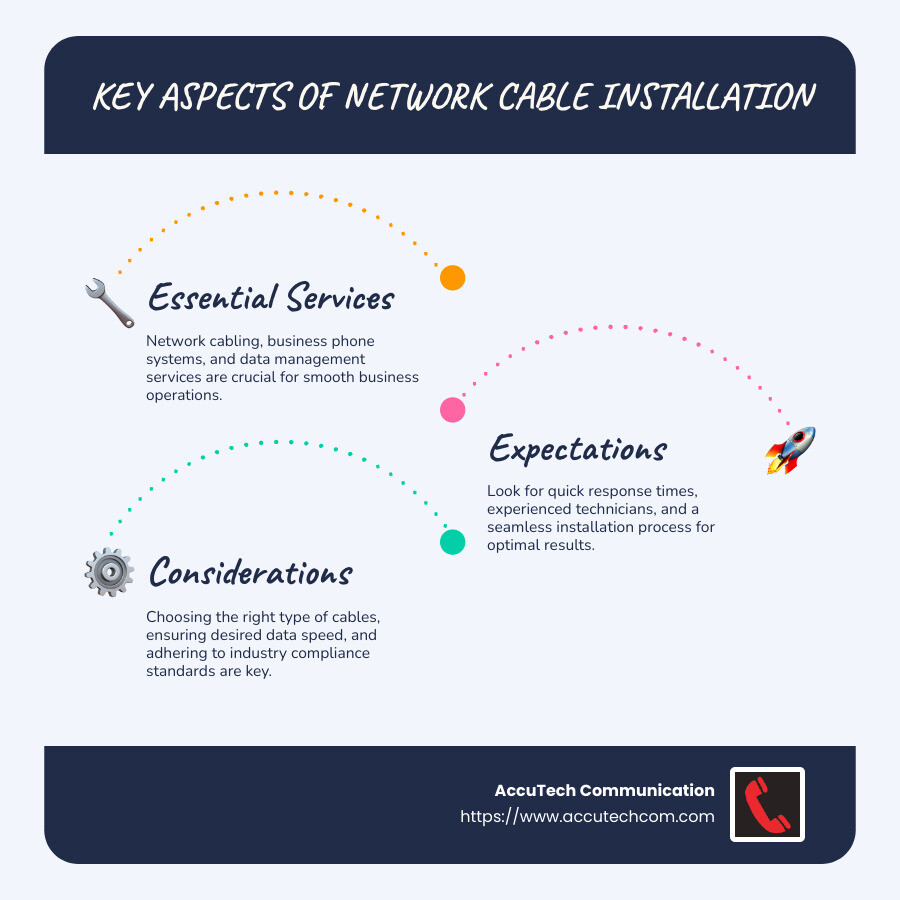
- Expectations: Quick response times, experienced technicians, and a seamless installation process.
- Key Services: Network cabling, business phone systems, and comprehensive data management.
- Considerations: Type of cables, desired data speed, and specific industry compliance standards.
In today’s world, efficient communication is crucial for business success, especially in sectors like healthcare that require robust systems. Installing or upgrading network cabling helps ensure that all devices are connected seamlessly, facilitating smooth operations within an organization. With a focus on details and quality, network cable installation becomes integral to optimize data cabling and business phone systems, providing a solid foundation for any business to grow.
My name is Corin Dolan, and with over 25 years in the field, I’ve seen the transformative power of reliable network infrastructure firsthand. From designing systems to implementing custom cabling solutions, I am well-versed in all aspects of network cable installation near me. Let me guide you through what’s next.
Network cable installation near me word list:
– network cable installations
– network cabling installations
– network cabling installation services
Understanding Network Cable Installation
When it comes to network cable installation, there are a few key concepts to grasp: structured cabling, network cabling, and low voltage wiring. Let’s break these down into simple terms.
Structured Cabling is like the backbone of your network. It’s a standardized approach to building a reliable and flexible cabling system. Think of it as the organized framework that connects all your devices, allowing them to communicate efficiently. This approach ensures that your network can easily adapt to changes or expansions, which is essential for growing businesses.
Network Cabling refers to the actual cables used to connect your devices. These include various types like twisted pair cables, coaxial cables, and fiber optic cables. Each type has its particular strengths. For instance, fiber optic cables are excellent for high-speed data transfer over long distances, while twisted pair cables are commonly used for Ethernet connections in office settings.
Low Voltage Wiring involves the installation of cables that carry low-voltage electrical signals. This is crucial for applications like data cabling, phone systems, and security systems. It’s important to use a qualified technician for low voltage wiring to ensure safety and compliance with industry standards.
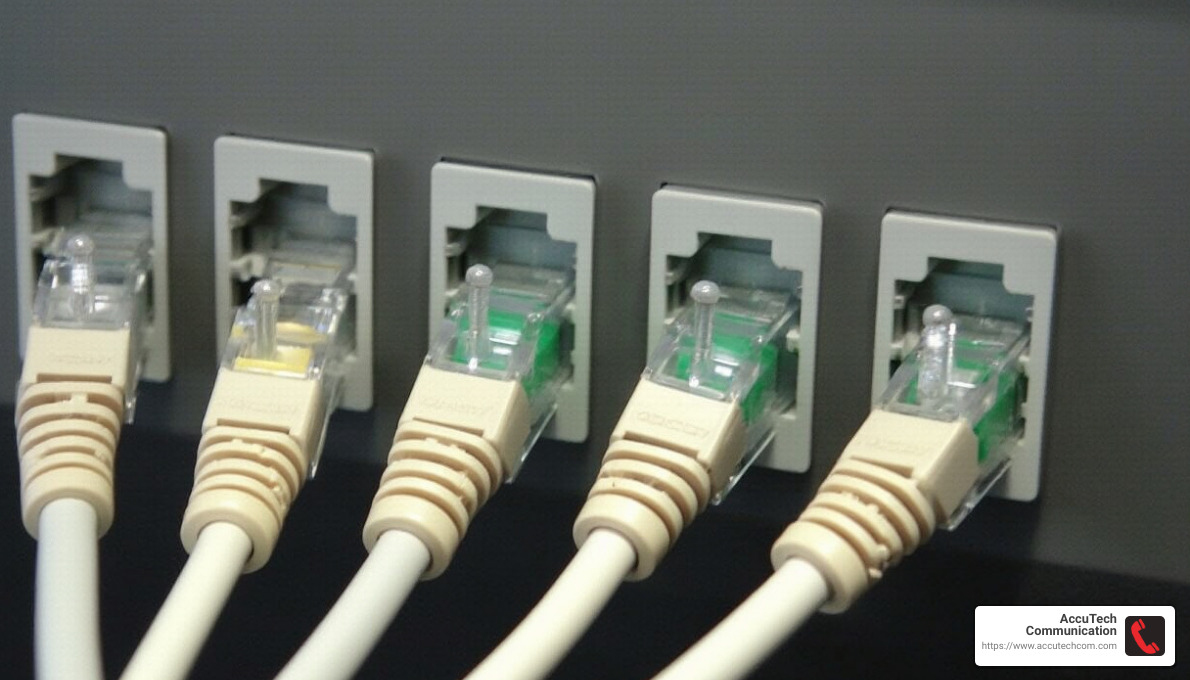
A well-planned network cable installation is vital for seamless business operations. For instance, in a healthcare setting, reliable network cabling ensures that critical systems communicate without interruption, supporting patient care and operational efficiency.
AccuTech Communications specializes in providing custom solutions that meet the unique needs of businesses across Massachusetts, New Hampshire, and Rhode Island. With their expertise, they ensure that your network infrastructure is both robust and adaptable, ready to support your business as it grows.
Next, we’ll explore the different types of network cables and their specific uses in various business environments.
Types of Network Cables
When it comes to network cable installation near me, understanding the types of cables available is crucial. Each type serves different needs and environments, and choosing the right one can greatly improve your network’s performance.
Coaxial Cables
Coaxial cables are known for their durability and are often used in television and internet connections. They consist of a central conductor, an insulating layer, a metallic shield, and an outer insulating layer. This design helps reduce electromagnetic interference, making coaxial cables a reliable choice for transmitting video and audio signals.
Fiber Optic Cables
If you need high-speed data transfer over long distances, fiber optic cables are the way to go. These cables use light to transmit data, which allows them to carry large amounts of information quickly and with minimal loss. They’re ideal for businesses with high data demands, such as data centers or large corporate campuses. Fiber optic cables are also less susceptible to interference, ensuring a clear and fast connection.
Twisted Pair Cables
Twisted pair cables are the most common type used in Ethernet networks. They consist of pairs of wires twisted together, which helps reduce interference from external sources. There are several categories, such as Cat 5e, Cat 6, and Cat 6a, each supporting different data speeds and distances. For instance, Cat 6 cables are suitable for gigabit networks and are often used in office environments for connecting computers and other devices to the network.
Understanding these cable types helps in selecting the right one for your specific needs. Whether you’re setting up a small office or a large corporate network, choosing the appropriate cable can make a significant difference in performance and reliability.
In the next section, we’ll walk through the steps involved in a typical network cable installation, ensuring your setup is both efficient and effective.
Steps for Network Cable Installation
Setting up an efficient network requires careful planning and execution. Here’s a simple guide to the steps involved in network cable installation.
1. Establish a Central Hub
The central hub is the heart of your network. It’s where all the cables converge, and it typically houses your network switch or router. Think of it as the control center for your entire network setup.
- Choose a location: Place the hub in a central area to minimize cable lengths and ensure even distribution of network access throughout the building.
- Install equipment: Securely mount the network switch, patch panels, and any other necessary equipment.
2. Run Cables Through Walls
Running cables through walls not only keeps them out of sight but also protects them from damage.
- Plan the route: Map out the path each cable will take from the central hub to its endpoint. This reduces the risk of interference and ensures efficient use of materials.
- Drill access holes: Carefully drill holes in walls and floors as needed to run the cables. Use cable grommets to protect the cables from sharp edges.
- Pull the cables: Use fish tape or a cable puller to guide the cables through walls. Be gentle to avoid damaging the cables.
3. Test the Connection
Testing your network setup ensures everything is working as expected and helps identify any issues early on.
- Use a cable tester: A cable tester can verify that each connection is properly made and that there are no breaks or shorts in the wiring.
- Check connectivity: Connect devices to the network and ensure they can communicate with each other and access the internet if needed.
- Monitor performance: Use network monitoring tools to check for any latency or connectivity issues.
By following these steps, you can achieve a reliable and efficient network setup that meets your needs. In the next section, we’ll explore the costs associated with network cable installation, helping you budget for your project effectively.
Cost of Network Cable Installation
When considering network cable installation near me, understanding the cost factors is crucial. Whether you’re setting up a residential network or a commercial one, a few key elements will influence the overall project cost.
Pricing Factors
The cost of network cable installation can vary significantly based on several factors:
- Type of Cable: Different cables come with different price tags. For instance, fiber optic cables are generally more expensive than twisted pair cables like Cat 5e or Cat 6.
- Installation Complexity: The more complex the installation, the higher the cost. Running cables through walls, ceilings, or floors can add to the labor costs.
- Distance and Coverage: The size of the area that needs coverage will impact the amount of cable and labor required.
- Equipment and Accessories: Additional components such as patch panels, network switches, and wall plates can add to the cost.
Residential Cable Installation
For home setups, the cost tends to be lower than commercial installations. However, it still depends on the specific needs of the household:
- Number of Rooms: More rooms needing connectivity mean more cables and higher installation costs.
- Type of Internet Connection: If you’re upgrading to a high-speed connection like fiber, expect additional costs for new equipment and possibly more complex installation work.
Estimating Project Cost
While specific pricing can vary, here’s a rough idea of what to expect:
- Basic Setup: A simple setup with minimal cabling might cost less, especially if it involves short distances and straightforward routing.
- Comprehensive Installation: A more comprehensive installation involving multiple rooms and advanced equipment can increase costs.
It’s important to discuss your specific needs with a professional installer to get an accurate estimate. They can provide a detailed quote based on your unique circumstances and help you plan your budget accordingly. By understanding these factors, you can make informed decisions about your network installation project.
In the next section, we’ll address some frequently asked questions about network cable installation, providing further insights into this essential service.
Frequently Asked Questions about Network Cable Installation Near Me
What is a typical cost of network cable installation?
The cost of network cable installation near me can vary widely, influenced by several factors. For a residential setup, expect to pay less than for commercial installations. However, the specific costs depend on:
- Type of Cable: Fiber optic cables usually cost more than twisted pair cables, such as Cat 5e or Cat 6.
- Installation Complexity: More complex installations, like running cables through walls or over long distances, will increase costs.
- Additional Components: Equipment like patch panels or network switches can add to the overall expense.
For a basic home setup, costs can be relatively low. But for a more comprehensive installation, especially one that covers multiple rooms, the costs will rise. Always discuss with a professional installer to get a precise estimate based on your specific needs.
Do I need an electrician to install network cable?
Typically, you do not need a full-fledged electrician for network cable installation. Instead, a data cabling technician is more suitable. These technicians specialize in low voltage wiring, which is what network cables fall under.
Their expertise covers the installation of Ethernet cables, fiber optics, and other network-related wiring. While electricians handle high voltage electrical systems, data cabling technicians are trained to manage the specifics of network cabling, ensuring that your setup is efficient and meets your connectivity needs.
Can I hire someone to install an ethernet cable?
Yes, you can hire a professional to install an Ethernet cable. While some general contractors may offer this service, it’s best to look for a specialist in network cabling. A network cabling technician has the expertise to ensure that the installation is done correctly and efficiently.
Hiring a professional can save you time and potential headaches, as they can handle the intricacies of routing cables through your home or office and ensure optimal performance. They can also advise on the best type of cable and setup for your specific requirements.
By understanding the roles and expertise needed, you can make informed decisions about who to hire for your network cable installation project.
Conclusion
When it comes to network cable installation near me, AccuTech Communications stands out as a trusted partner for businesses and homes across Massachusetts, New Hampshire, and Rhode Island. Since 1993, we have been committed to providing certified and reliable services that our clients can depend on. Our expertise in network cabling, business phone systems, and data center technologies ensures that your network infrastructure is robust and future-proof.
What sets us apart is our competitive pricing and unwavering commitment to quality. We understand that every project is unique, and we tailor our services to meet your specific needs. Whether you’re setting up a small office network or a large corporate campus, our team is equipped to handle projects of any size with precision and care.
Our clients have come to trust us for our technical expertise and responsive service. As one client shared, “AccuTech is a critical partner in helping us serve our patients. Their quick response time, knowledgeable staff, and cost-effective service ensure reliable communications.”
By choosing AccuTech Communications, you’re not just getting a service provider; you’re gaining a partner dedicated to supporting your network needs now and in the future. For more information on our services and to see how we can assist with your network cabling needs, visit our Network Cable Services page.