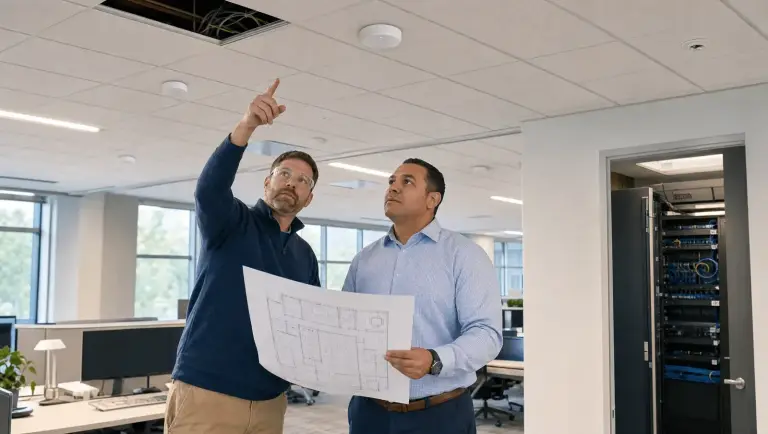
Why Network Cabling Installations Are Crucial for Modern Businesses
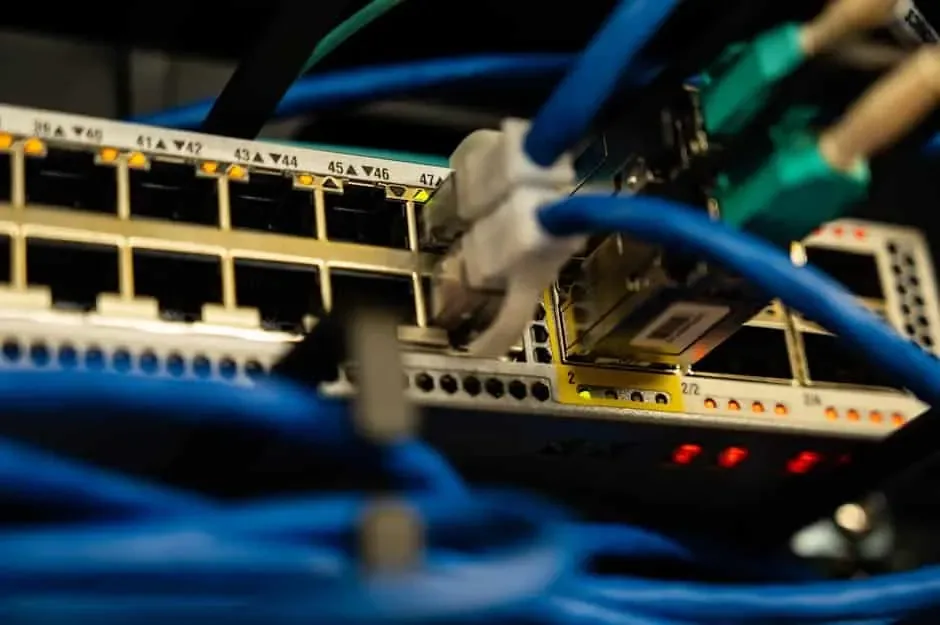
Network cabling installations are the lifeline of modern business infrastructures, ensuring seamless connectivity and efficient communication. In today’s environment, robust network cabling provides:
- Reliable data transfer: Essential for day-to-day business operations.
- High-speed connectivity: Supports the simultaneous use of multiple devices.
- Flexibility and scalability: Allows easy expansion and modification of network setups.
- Reduced downtime and interference: Improves productivity and minimizes signal problems.
- Cost-effective maintenance: A reliable setup leads to fewer repairs and lower overheads.
For businesses, especially in sectors like healthcare where compliance and communication are pivotal, having a dependable network infrastructure is not optional, it’s essential.
My name is Corin Dolan. With over a decade in the industry, particularly in regions like Massachusetts, New Hampshire, and Rhode Island, I have experience in ensuring network cabling installations meet high performance and reliability standards. My involvement spans from design to execution, allowing businesses to operate smoothly and efficiently as they grow.
Simple guide to network cabling installations:
, cabling installer
, internet wiring
, network cable services
Importance of Network Cabling Installations
In modern business, network cabling installations are more than just wires and connections. They are the backbone that supports seamless data transfer and connectivity, which are crucial for maintaining productivity.
Data Transfer
Efficient data transfer is vital for businesses today. Imagine a busy office where employees rely on real-time data to make decisions. Without a robust cabling system, data can bottleneck, causing delays and errors. This is especially true as the number of connected devices increases. A well-installed cabling system ensures that data flows smoothly and quickly, no matter how many devices are connected.
Seamless Connectivity
Seamless connectivity is not just a luxury; it’s a necessity. Whether it’s video conferencing, managing cloud services, or simply sending emails, businesses need reliable connections. Poor cabling can lead to dropped connections and frustrating downtimes. On the other hand, proper installations reduce interference and signal degradation, ensuring that every part of the network communicates effectively.
Productivity
Productivity is directly linked to how well a network functions. When employees can rely on fast and stable connections, they can focus on their work instead of dealing with technical issues. Network cabling installations that are done right lead to fewer disruptions, allowing teams to work efficiently. This not only boosts morale but also contributes to the overall success of the business.
In conclusion, investing in quality network cabling installations is crucial for any business aiming to thrive in today’s digital landscape. It supports efficient data transfer, ensures seamless connectivity, and improves productivity, making it a key component of modern business infrastructure.
Components of Structured Cabling
Understanding the components of structured cabling is key to creating a reliable and efficient network infrastructure. Let’s break down these components and see why they matter for your business.
Entrance Facilities
The entrance facilities are where the external network enters your building. This is the starting point for your network cabling installation. It’s crucial to protect these facilities from environmental damage and unauthorized access. Properly secured entrance facilities ensure that your network starts off strong and secure.
Equipment Room
The equipment room houses your network’s core components, like servers and switches. Think of it as the heart of your network. This room should be organized and well-ventilated to prevent overheating. Efficient layout and cable management here make maintenance easier and reduce downtime.
Backbone Cabling
Backbone cabling connects different parts of your building, linking equipment rooms and telecommunications rooms. It’s like the main highway for your data. High-quality backbone cabling supports high-speed data transfer and ensures that all parts of your network can communicate effectively.
Telecommunications Room
The telecommunications room is where the backbone cabling connects to horizontal cabling. This room distributes network connections to different areas of your building. Keeping this room organized with clear labeling helps in quick troubleshooting and reduces the likelihood of errors.
Horizontal Cabling
Horizontal cabling extends from the telecommunications room to individual work areas. It’s the final stretch that delivers network connectivity to each desk or workstation. Proper installation and management of horizontal cabling prevent tangles and make future upgrades easier.
Work Area
Finally, the work area is where end devices like computers and phones connect to the network. Ensure that network outlets are easily accessible and that cables are neatly managed. This not only looks professional but also prevents accidental disconnections and damage.
Each component plays a vital role in the overall performance and reliability of your network. By understanding and implementing these components effectively, businesses can create a robust network infrastructure that supports their operations seamlessly.
Best Practices for Network Cabling Installations
When it comes to network cabling installations, following best practices ensures your network runs smoothly and efficiently. Let’s explore the essential practices that can make or break your cabling setup.
Cable Management
Proper cable management is like keeping your workspace tidy, it’s not just about aesthetics. It prevents cables from getting tangled, damaged, or accidentally unplugged. Use cable trays or raceways to route cables neatly. Avoid tight bundles to prevent overheating and make it easier to access cables for maintenance. Velcro ties are preferred over zip ties as they are gentler on the cables.
Labeling
Imagine trying to find a single book in a library without labels. That’s what unlabelled cables feel like. Label both ends of each cable and use color coding to differentiate between types of connections. This practice not only speeds up troubleshooting but also helps during upgrades or changes. Clear labeling saves time and reduces errors.
Testing
Testing is your quality assurance step. Before you finalize any installation, test each cable to ensure it works as expected. Use cable testers to check for faults and verify that the cables meet performance standards. This step prevents issues from cropping up later, saving you headaches down the road.
Documentation
Documentation is your roadmap for future reference. Keep detailed records of your network layout, including diagrams and specifications. Document any changes or upgrades carefully. This practice helps in troubleshooting and makes scaling your network easier. Accurate documentation reduces downtime and ensures efficient network management.
By adhering to these best practices, businesses can maintain a reliable and efficient network infrastructure, minimizing disruptions and ensuring seamless operations. Next, we’ll explore the different types of network cables and their specific uses.
Types of Network Cables
Choosing the right network cables is crucial for building a reliable and efficient network. Let’s break down the main types of cables you’ll encounter in network cabling installations.
Ethernet Cables
Ethernet cables are the backbone of most wired networks. They’re used to connect devices like computers, routers, and switches, ensuring fast and stable data transfer. Here’s a quick look at the different categories:
- Cat5: Once popular, Cat5 cables are now outdated. They support speeds up to 100Mbps, which doesn’t cut it for modern networks. If you’re upgrading, it’s time to move on from Cat5.
- Cat5e: An improved version of Cat5, Cat5e cables can handle speeds up to 1Gbps. They’re a budget-friendly option for basic connectivity needs, especially in older networks.
- Cat6: These cables are the standard for most new installations. Cat6 supports speeds up to 10Gbps, making it suitable for both home and business networks. It’s a solid choice for reliable, high-speed connections.
- Cat6a: A step up from Cat6, Cat6a offers better protection against interference. It maintains 10Gbps speeds and is ideal for environments where interference is a concern.
- Cat7: Known for its improved shielding, Cat7 supports up to 10Gbps and is designed for high-speed, robust connections. It’s great for environments requiring minimal interference.
- Cat8: The newest kid on the block, Cat8 cables are built for future-proof networks. They support blazing speeds up to 40Gbps, making them perfect for data centers and setups anticipating high data demands.
Fiber Optic Cables
Fiber optic cables are the champions of long-distance, high-speed data transmission. They use light signals instead of electrical ones, offering unparalleled speed and bandwidth. Here are the two main types:
- Single Mode: Ideal for long distances, single-mode fiber has a small core that allows high-speed data transfer over vast stretches. It’s perfect for long-haul telecommunications.
- Multi-mode: Best for shorter distances, multi-mode fiber has a larger core. It’s great for high-speed data transmission within buildings.
Fiber optics are more costly than copper cables but offer long-term benefits, including scalability and immunity to electromagnetic interference. They’re an excellent investment for future-proofing your network.
Understanding these cable types helps in selecting the right one for your specific needs, ensuring your network is not only fast but also reliable. Next, we’ll address some frequently asked questions about network cabling installations.
Frequently Asked Questions about Network Cabling Installations
What is network cable installation?
Network cable installation is the process of setting up the physical infrastructure that allows devices in a network to communicate with each other. This includes laying out cables, connecting them to routers, switches, and other network equipment, and ensuring everything is configured correctly for seamless data transfer.
Typically, the installation involves collaboration between an IT department and a contractor. While the IT department handles the planning and technical aspects, contractors manage the physical setup. This teamwork ensures the network infrastructure is robust and meets the organization’s needs.
How much does it cost to install a network wire?
The cost of installing a network wire can vary significantly based on several factors, including the type of cable used, the complexity of the installation, and the size of the network.
- Average Cost: For a basic setup using Cat5e or Cat6 cables, the average cost ranges from $100 to $150 per drop (a single cable run from the network switch to a device).
- Pricing Range: More advanced installations using Cat6a, Cat7, or fiber optic cables can range from $200 to $500 per drop. These cables offer higher speeds and better performance but come at a higher price.
- High-End Cost: For large-scale or highly complex installations, such as those in data centers or large corporate environments, costs can exceed $1,000 per drop. These setups often require extensive planning and specialized equipment.
It’s essential to get multiple quotes from contractors to ensure competitive pricing and to choose the best option for your specific needs.
Do I need an electrician to install network cable?
In most cases, you won’t need an electrician to install network cables. However, consulting with one is advisable for complex installations or when network cables must be run near electrical wiring. Electricians can ensure that installations comply with local building codes and safety standards, especially when dealing with potential electrical interference.
For standard installations, hiring a qualified network cabling contractor should suffice. They have the expertise to handle the technical and physical aspects of network cable installation, ensuring a smooth setup without the need for an electrician’s involvement.
Conclusion
AccuTech Communications has been a trusted partner in network cabling installations for over three decades. Our services ensure that your network infrastructure is set up to the highest standards, providing the reliability and performance your business needs to thrive. We understand that every business has unique requirements, and we tailor our solutions to meet those needs while maintaining competitive pricing.
Our commitment to quality is unwavering. We not only install your network cabling with precision but also offer ongoing support to keep your system running smoothly. Our team of experts is dedicated to delivering exceptional service, ensuring that your network supports seamless data transfer and connectivity.
Choosing AccuTech Communications means investing in a partner that values your business’s success as much as you do. Our comprehensive network cable services are designed to improve your operations and future-proof your infrastructure. Let us help you build a robust network foundation that will support your growth for years to come.