
Structured Cabling Solution: Top Benefits in 2025
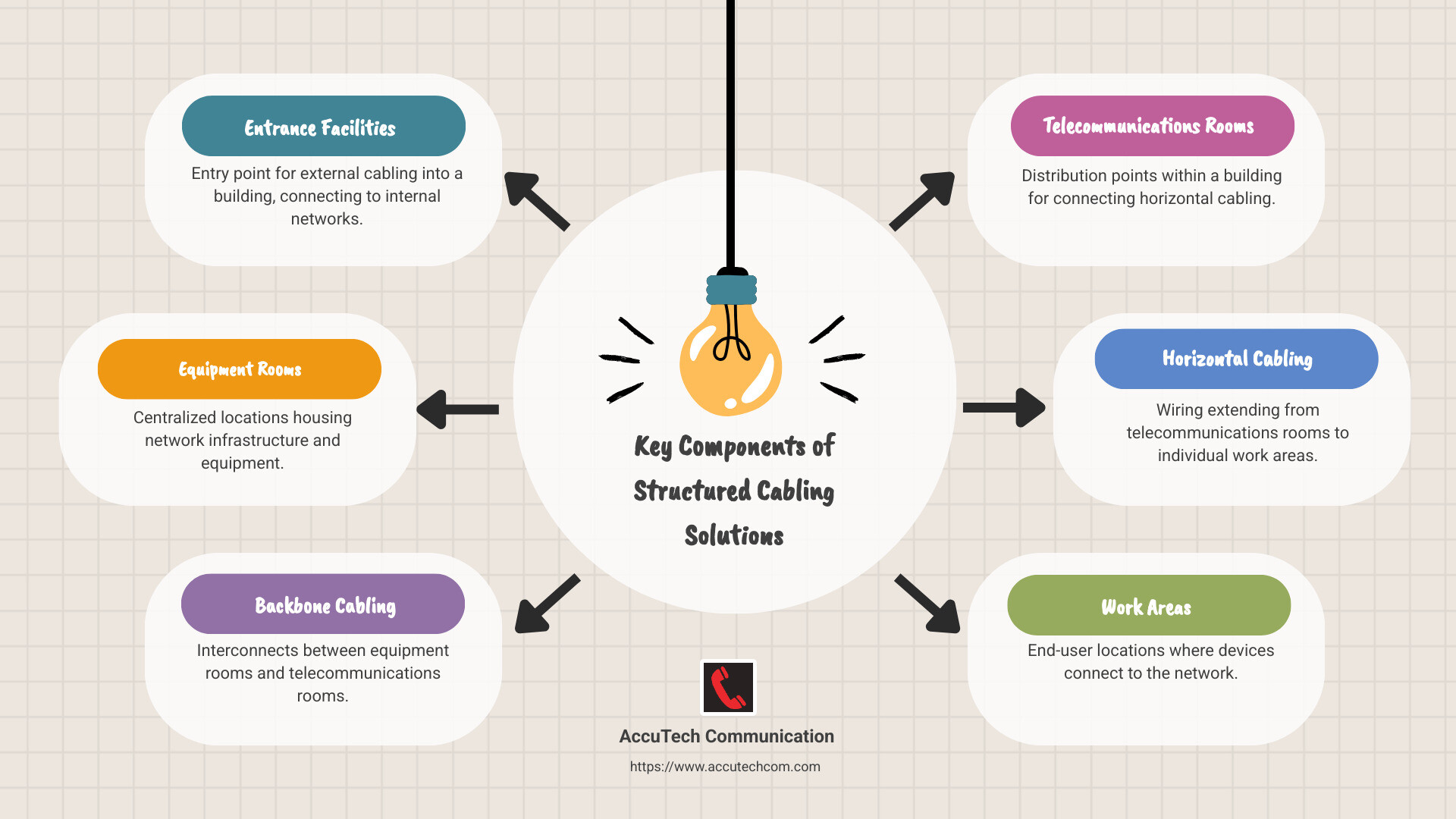
Structured cabling solution plays a pivotal role in today’s dynamic business environments, particularly for industries in need of robust communication systems. This integrated approach involves six key components: Entrance Facilities, Equipment Rooms, Backbone Cabling, Telecommunications Rooms, Horizontal Cabling, and Work Areas. The benefits of a structured cabling solution are numerous:
- Scalability: Adapts easily to growing business needs.
- Efficiency: Simplifies the process of identifying and fixing problems.
- Cost-Effective: Reduces installation and maintenance costs.
The shift towards structured cabling systems revolutionizes the infrastructure of mid-to-large size businesses by ensuring reliable high-performance networks and responsive support.
I’m Corin Dolan, an expert in structured cabling solution with deep experience helping businesses create cost-effective and efficient network infrastructures. At AccuTech Communications, we are dedicated to delivering cutting-edge structured cabling solution tailor-made for your business, ensuring compliance and uninterrupted operations.
Basic structured cabling solution vocab:
– structured cabling installation
– cable infrastructure
– data network cabling
Understanding Structured Cabling Solutions
Structured cabling solutions form the backbone of modern network infrastructure. This system organizes and standardizes cabling to support various hardware uses and ensure efficient communication.
Network Infrastructure
A reliable network infrastructure is crucial for seamless connectivity. Structured cabling solutions provide a robust framework that supports both voice and data systems. This infrastructure is designed to be flexible and adaptable, making it easy to add or change devices without disrupting the entire network.
Cabling Standards
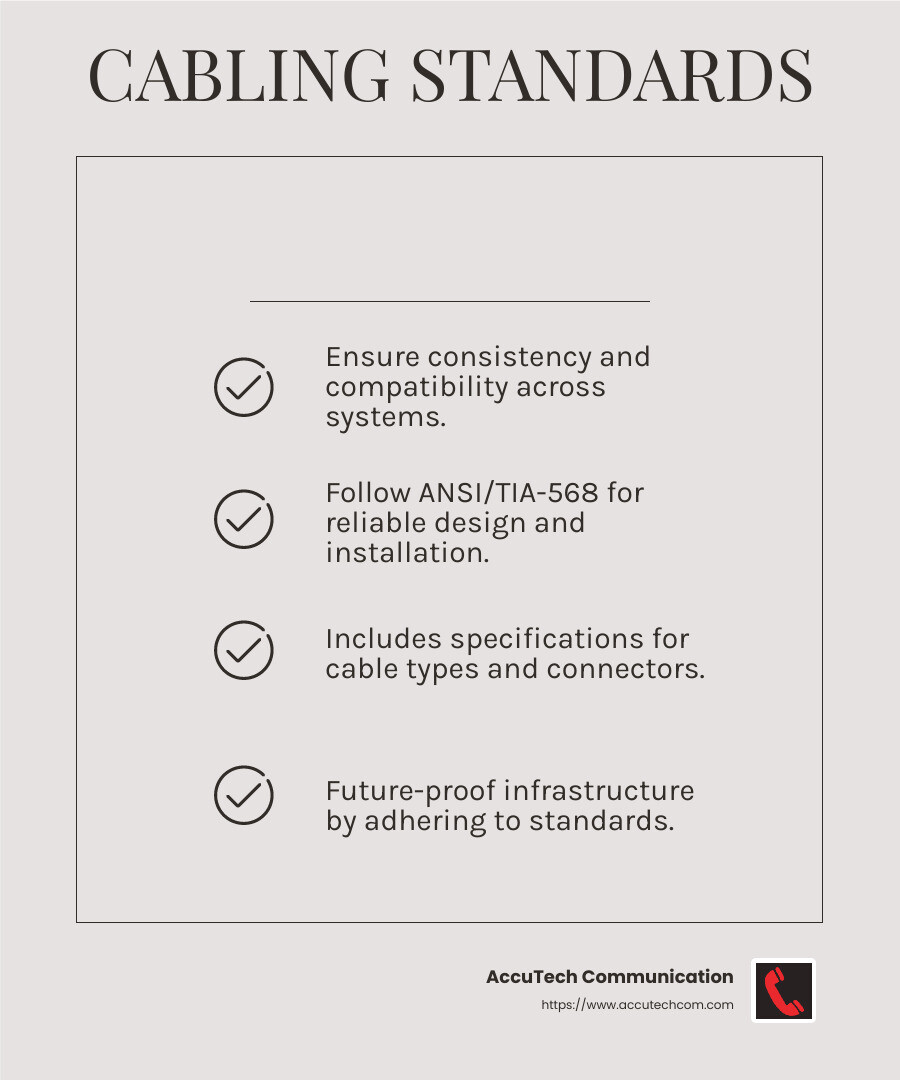
Standards are the unsung heroes of structured cabling. They ensure consistency and compatibility across different systems and devices. The ANSI/TIA-568 standard, first released in 1991, provides guidelines for the design and installation of telecommunications cabling. This includes specifications for cable types, connectors, and performance requirements. By adhering to these standards, businesses can ensure their network infrastructure is reliable and future-proof.
System Components
A structured cabling solution is composed of six key components:
- Entrance Facilities: The point where external cabling interfaces with the internal network.
- Equipment Rooms: Centralized spaces housing critical network equipment.
- Backbone Cabling: Connects equipment rooms and telecommunication rooms, supporting high-volume data transfer.
- Telecommunications Rooms: Serve as the connection point between backbone and horizontal cabling.
- Horizontal Cabling: Extends from telecommunication rooms to individual work areas.
- Work Areas: The spaces where end devices, like computers and phones, connect to the network.
Each component plays a vital role in maintaining a well-organized and efficient network. By understanding these components, businesses can better plan and manage their network infrastructure.
With structured cabling solutions, businesses can enjoy a streamlined, efficient, and scalable network. This not only supports current operations but also positions them for future growth and technological advancements.
In the next section, we’ll explore the key components of structured cabling in detail, including copper cables, fiber optics, patch panels, and racks.
Key Components of Structured Cabling
When it comes to structured cabling solutions, there are a few essential components that make everything tick. Let’s break down the key elements: copper cables, fiber optics, patch panels, and racks.
Copper Cables
Copper cables have been the backbone of network cabling for a long time. They are reliable, cost-effective, and easy to install. There are two main types of copper cables used in structured cabling: Unshielded Twisted Pair (UTP) and Shielded Twisted Pair (STP).
- UTP Cables: These are the most common type used in Ethernet networks. They are affordable and flexible, making them ideal for most business environments. However, they can be susceptible to electromagnetic interference.
- STP Cables: These come with an extra layer of shielding to protect against interference. They are more expensive than UTP but offer better performance in environments with a lot of electronic noise.
Both types of cables are crucial for connecting devices within the network, ensuring data flows smoothly and efficiently.
Fiber Optics
Fiber optic cables are the superstars of high-speed data transmission. Unlike copper cables, they use light to transmit data, allowing for faster speeds and longer distances.
- Single-mode Fiber: This type of fiber is ideal for long-distance communication, capable of transmitting data over kilometers without losing quality.
- Multimode Fiber: Best for shorter distances, multimode fiber is often used within buildings or campuses. It supports high data rates but over shorter spans compared to single-mode fiber.
Fiber optics are perfect for businesses that need to transfer large amounts of data quickly and over long distances, like data centers.
Patch Panels
Patch panels are the unsung heroes of network organization. They provide a central point to manage all the incoming and outgoing cables in a network.
- Function: Patch panels help in organizing cables and making it easier to manage connections. They allow for quick changes and troubleshooting without disrupting the entire network.
- Importance: Having a well-organized patch panel setup can significantly reduce downtime and make network maintenance a breeze.
Racks
Racks are the physical structures that hold all the network equipment, including servers, switches, and patch panels. They keep everything organized and accessible.
- Types: There are open frame racks for easy access and enclosed racks for added security and protection against dust.
- Benefits: Using racks can save space, improve airflow around equipment, and make it easier to manage network components.
Each of these components plays a critical role in building a robust and efficient network infrastructure. By understanding and implementing these elements, businesses can ensure their networks are prepared for both current demands and future growth.
Next, we’ll dive into the benefits of implementing structured cabling solutions, exploring how they improve scalability, reduce downtime, and more.
Benefits of Implementing Structured Cabling Solutions
Implementing structured cabling solutions offers a range of benefits that can significantly impact the efficiency and longevity of your business’s network infrastructure. Let’s explore these advantages:
Scalability
Structured cabling is designed to accommodate growth. As your business expands, adding new devices or upgrading systems becomes straightforward. The standardized approach to cabling means you can easily scale your network without major overhauls.
- Flexibility: With structured cabling, integrating new technologies is seamless. Whether you’re adding more workstations or upgrading to faster network speeds, the infrastructure is ready to handle it.
- Future-Ready: By investing in a scalable cabling system now, you’re setting up your business for success as technology evolves.
Reduced Downtime
A well-organized cabling system minimizes network disruptions. Structured cabling makes it easier to identify and fix issues quickly, reducing the time your network is down.
- Efficiency: Troubleshooting is faster because cables are neatly organized and labeled. This means less time spent hunting for the source of a problem.
- Reliability: With a clear layout, there’s less chance of accidental disconnections or errors during maintenance, ensuring your network stays up and running.
Cost Efficiency
Though the initial investment in structured cabling might be higher than other options, the long-term savings are substantial.
- Lower Maintenance Costs: The ease of management and reduced downtime lead to lower costs over time. There’s less need for emergency repairs or frequent upgrades.
- Energy Savings: Efficient cabling systems can lead to better power management, reducing energy consumption and costs.
Future-Proofing
Structured cabling sets the stage for future advancements in technology. With the rapid pace of innovation, having an adaptable network infrastructure is crucial.
- Technology Integration: As new technologies emerge, a structured cabling system can easily integrate them without requiring a complete overhaul.
- Investment Protection: By choosing a future-proof solution, you’re protecting your investment and ensuring your network remains relevant for years to come.
In summary, structured cabling solutions provide a robust framework that supports scalability, reduces downtime, improves cost efficiency, and prepares your business for future technological advancements. These benefits make it an essential component of any forward-thinking organization’s network strategy.
Next, we’ll explore how to choose the right structured cabling solution, from assessment to maintenance.
How to Choose the Right Structured Cabling Solution
Selecting the right structured cabling solution involves careful planning and execution. Here’s a step-by-step guide to help you make an informed decision:
Assessment
Begin with a thorough assessment of your current network infrastructure. Understand your business needs and future growth plans. This step ensures that your cabling solution will support your operations now and in the future.
- Identify Needs: Consider the number of users, devices, and applications that will rely on the network. This will help determine the capacity and type of cabling required.
- Evaluate Existing Infrastructure: Look at your current setup. Identify any limitations or potential areas for improvement.
Planning
Once you have a clear understanding of your needs, it’s time to plan. A detailed plan will serve as a roadmap for your cabling project.
- Design the Layout: Plan the physical layout of the cables. This includes deciding on cable routes, locations for equipment rooms, and telecommunications rooms.
- Select the Right Components: Choose between copper and fiber optic cables based on your needs. Consider factors like data transfer speed, distance, and environment.
Installation
With a solid plan in place, move on to the installation phase. Proper installation is crucial for the performance and reliability of your network.
- Hire Professionals: Engage experienced technicians to ensure the installation meets industry standards. This reduces the risk of errors and future issues.
- Follow Standards: Adhere to standards like ANSI/TIA-568 to ensure compatibility and reliability. These standards cover everything from cable types to connector specifications.
Maintenance
Ongoing maintenance is key to keeping your network running smoothly. Regular checks and updates will prevent issues and extend the lifespan of your cabling system.
- Routine Inspections: Schedule regular inspections to check for wear and tear. This helps catch potential problems early.
- Update Documentation: Keep detailed records of your network layout and any changes made. This documentation is invaluable for troubleshooting and future upgrades.
Choosing the right structured cabling solution involves a comprehensive approach, from assessment and planning to installation and maintenance. By following these steps, you’ll ensure a robust, scalable, and efficient network infrastructure that supports your business’s growth and technological advancements.
Next, we’ll address some frequently asked questions about structured cabling solutions.
Frequently Asked Questions about Structured Cabling Solutions
What is structured cabling?
Structured cabling is the standardized method of connecting the various parts of a telecommunications network. It involves a set of cabling and connectivity products that integrate voice, data, video, and various management systems. The purpose of structured cabling is to provide a reliable, organized, and flexible infrastructure that supports multiple hardware uses and can easily adapt to future technologies.
Think of it as the backbone of your network, ensuring all your devices communicate efficiently and effectively.
How does structured cabling improve network performance?
Structured cabling improves network performance by ensuring efficiency and reliability. Here’s how:
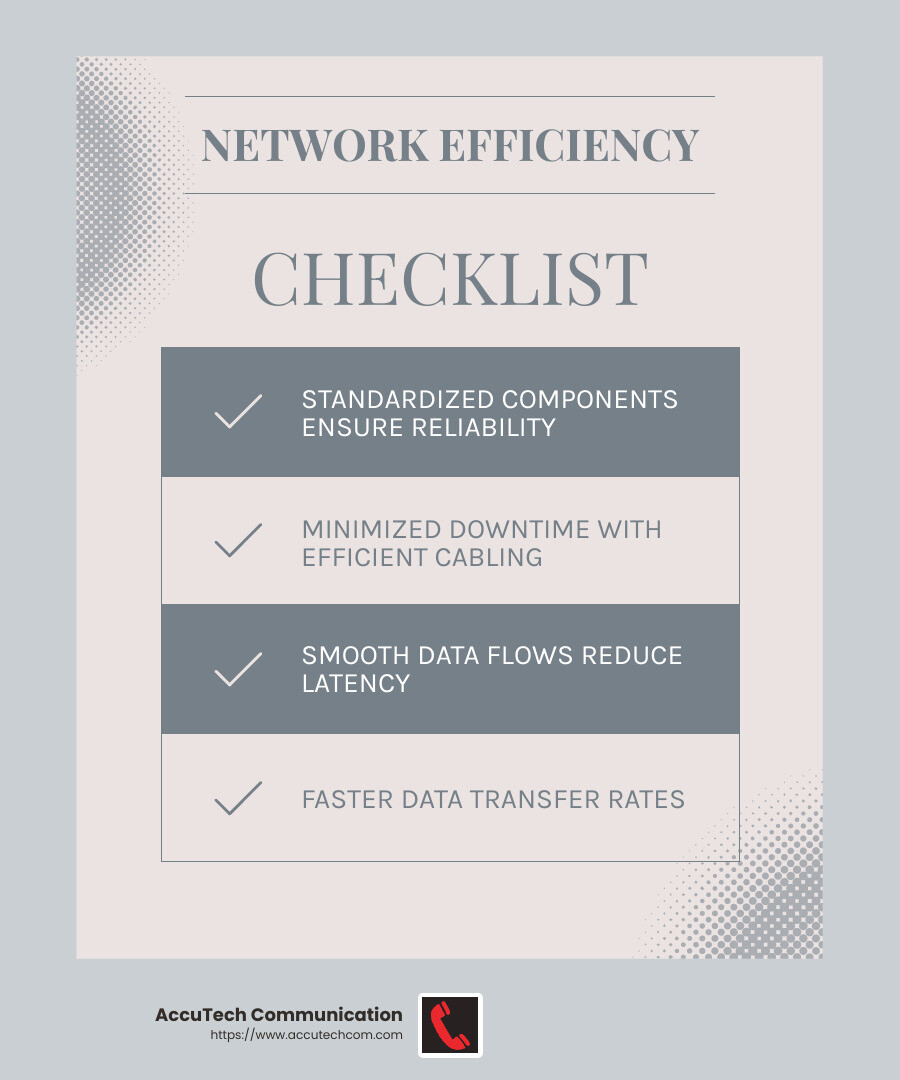
- Efficiency: With a well-organized cabling system, data flows smoothly without bottlenecks. This means faster data transfer rates and improved overall network speed. Structured cabling is designed to optimize the flow of information, reducing latency and minimizing downtime.
- Reliability: A structured cabling system reduces the risk of network failures. By using standardized components and adhering to industry standards like ANSI/TIA-568, you ensure that your network is less prone to errors. This reliability means fewer disruptions and more consistent network performance.
What are the costs associated with structured cabling solutions?
When considering the costs of structured cabling solutions, it’s important to look at both installation and maintenance expenses.
- Installation: The initial cost of installing a structured cabling system can vary based on the size and complexity of your network. Factors such as the choice between copper and fiber optic cables, the layout design, and the professional services required all influence the cost. While the upfront investment might be significant, the benefits of a well-installed system often outweigh these initial expenses.
- Maintenance: Regular maintenance is crucial for ensuring the longevity and performance of your structured cabling system. This includes routine inspections, updates, and necessary repairs. While there are ongoing costs associated with maintenance, they are generally lower than the costs of dealing with unexpected network failures or inefficiencies.
By investing in a quality structured cabling solution, you set the foundation for a network that is not only efficient and reliable but also cost-effective in the long run.
Next, we’ll conclude with a look at AccuTech Communications’ expertise and commitment to quality in structured cabling solutions.
Conclusion
At AccuTech Communications, we pride ourselves on being experts in structured cabling solutions. With over 30 years of experience, we’ve honed our skills to provide top-notch services to businesses across Massachusetts, New Hampshire, and Rhode Island. Our team understands that a reliable network is crucial for any business, and we are committed to delivering quality service that meets and exceeds industry standards.
Our service areas cover a wide range of locations, including Metro-west Boston, Marlborough, Sudbury, Boston, Woburn, Waltham, Worcester, and beyond. This extensive reach ensures that businesses throughout the region can benefit from our expertise and reliable service.
What sets us apart is our commitment to quality. We follow the latest ANSI/TIA-568 standards, ensuring that every installation is efficient, reliable, and future-proof. Our team is dedicated to providing solutions that are both scalable and cost-effective, helping businesses minimize downtime and maximize productivity.
Whether you’re a small startup or a large corporation, we tailor our services to meet your specific needs. From consultation and design to installation and maintenance, we’re with you every step of the way. Our goal is to ensure that your network infrastructure is robust, flexible, and ready to support your business as it grows.
For more information on how we can help you with your structured cabling needs, visit our Structured Cabling Services page. Let us help you build a stronger network backbone for your business.
