
What is an Ethernet Cable? Top 5 Powerful Benefits
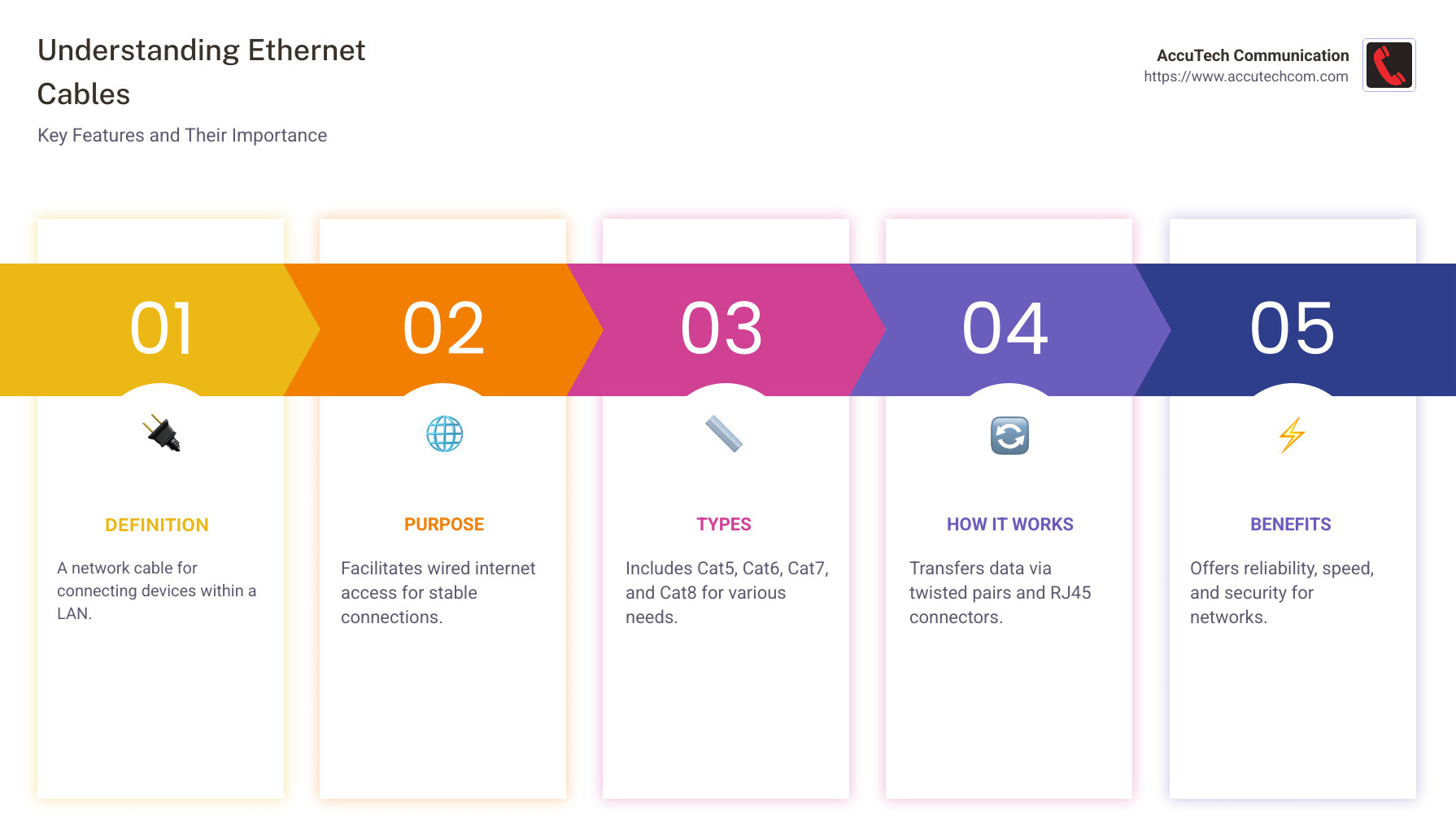
What is an ethernet cable? At its core, an Ethernet cable is a type of network cable used to connect devices within a local area network (LAN), like computers, routers, and switches, facilitating wired internet access.
- Connectivity: Ethernet cables are vital to establishing secure and stable connections between various network devices.
- Importance: They are essential for high-speed internet connections, especially in environments requiring long-range and consistent data transfer.
Ethernet cables form the backbone of modern business communication infrastructures, especially for industries requiring robust systems for effective operations. They ensure that businesses can maintain data integrity and achieve seamless communication, vital for smooth and efficient workflow.
As Corin Dolan, the owner of AccuTech Communications, I bring over two decades of experience in designing and implementing high-performance network solutions. Understanding what is an ethernet cable and its applications is foundational to my work with businesses that rely on reliable network infrastructure. Let’s explore further how Ethernet cables play a critical role in connectivity.
Simple guide to what is an ethernet cable:
– network cable wiring
– structured cabling
– types of cables
What is an Ethernet Cable?
Ethernet cables are the unsung heroes of network connectivity. They are the physical medium that enables devices to communicate over a network, transferring data reliably and swiftly.
Types of Ethernet Cables
Ethernet cables come in different categories, each designed for specific needs:
- Cat5: This is the most basic type, supporting speeds up to 100 Mbps. It’s suitable for simple networking tasks but not ideal for high-speed internet.
- Cat6: An upgrade from Cat5, Cat6 cables support speeds up to 1 Gbps, making them perfect for home and small business networks. They also reduce crosstalk, a common issue where one signal interferes with another.
- Cat7: For even faster speeds, Cat7 cables can handle up to 10 Gbps. They are shielded to minimize interference, making them ideal for data centers and other high-demand environments.
- Cat8: The newest in the lineup, Cat8 cables are designed for professional networking setups, supporting speeds up to 25-40 Gbps. They are perfect for future-proofing against rising data demands.
How Ethernet Cables Work
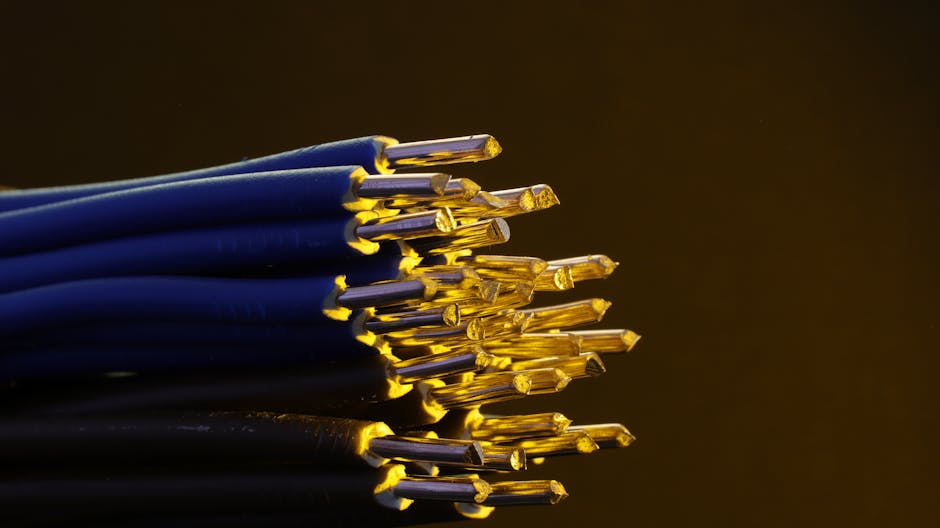
At the heart of an Ethernet cable’s functionality is signal transmission. Inside each cable are twisted pairs of wires. These twisted pairs are crucial as they help reduce interference and crosstalk, ensuring data integrity during transmission.
RJ45 connectors are the standard connectors used with Ethernet cables. They look like a slightly wider phone jack and are used to plug the cable into network devices like routers and computers. The RJ45 connector ensures a stable connection that can handle the high-speed data transfer capabilities of Ethernet cables.
Understanding these components helps us appreciate how Ethernet cables maintain a stable, secure, and fast connection for all our networking needs. Whether you’re setting up a simple home network or a complex business infrastructure, choosing the right Ethernet cable is key to achieving optimal performance.
Benefits of Using Ethernet Cables
Ethernet cables are more than just wires; they are vital for reliable, fast, and secure network connections. Let’s explore why they’re so beneficial.
Reliability
When it comes to network connectivity, reliability is crucial. Ethernet cables provide a stable and consistent connection, unlike wireless networks that can be affected by interference or signal loss. This is especially important for businesses that rely on a constant internet connection for their operations.
AccuTech Communication emphasizes the importance of a reliable network, offering structured cabling services that ensure your infrastructure is set up for maximum reliability. Their expert technicians can help design and manage your network cabling to reduce potential issues.
Speed
One of the standout benefits of Ethernet cables is their speed. Depending on the type, Ethernet cables can support varying speeds:
- Cat5 cables offer speeds up to 100 Mbps.
- Cat6 cables can handle up to 1 Gbps.
- Cat7 and Cat8 cables can support even higher speeds, reaching up to 40 Gbps.
This speed is crucial for tasks like streaming, video conferencing, and large data transfers. With Ethernet cables, you can say goodbye to buffering and hello to seamless internet browsing.
Security
Security is another significant advantage of using Ethernet cables. Unlike wireless networks, which can be more vulnerable to hacking, Ethernet cables offer a more secure connection. Data transmitted over Ethernet is less susceptible to interception, providing peace of mind for businesses and individuals concerned about data breaches.
AccuTech Communication’s cable management and testing services ensure that your network is not only fast and reliable but also secure. Their commitment to quality helps protect your data from potential threats.
In summary, Ethernet cables offer best reliability, speed, and security, making them an essential component of any robust network setup. Whether you’re a small business or a large corporation, investing in quality Ethernet cabling can significantly improve your network’s performance and security.
Ethernet Cable Installation Tips
Proper installation of Ethernet cables is key to ensuring a fast and reliable network. Here are some essential tips on planning, tools, and best practices to guide you through the process.
Planning
Before you begin installing Ethernet cables, it’s crucial to plan your network layout. Consider the following:
- Map Out Your Network: Identify all the devices that need to be connected. This includes computers, printers, and any other network-enabled devices.
- Determine Cable Lengths: Measure the distances between devices and network hubs. The maximum length for a standard Ethernet cable is 100 meters (about 328 feet) to avoid signal loss.
- Plan for Future Expansion: Consider potential future needs. Installing extra cabling now can save time and money later.
AccuTech Communication offers consultation and design services to help you plan an efficient network layout custom to your specific needs.
Tools
Having the right tools can make the installation process much smoother. Here are some essential tools you might need:
- Cable Tester: To ensure all connections are working correctly.
- Crimping Tool: For attaching RJ45 connectors to the cable.
- Fish Tape: Useful for pulling cables through walls or ceilings.
- Cable Stripper: For removing the outer jacket of the cable without damaging the wires inside.
AccuTech’s team of skilled technicians is equipped with the latest tools and technology, ensuring a seamless installation process.
Best Practices
To get the most out of your Ethernet cables, follow these best practices:
- Avoid Sharp Bends: Bending cables sharply can damage the wires inside, leading to performance issues.
- Keep Away from Electrical Interference: Avoid running cables parallel to power lines, as this can cause interference.
- Label Cables: Clearly label each cable to make future troubleshooting and maintenance easier.
- Use Cable Management Solutions: Properly organize and secure cables to prevent tangling and ensure easy access for maintenance. AccuTech Communication provides cable management services to keep your setup neat and organized.
By following these tips, you can ensure a smooth installation process and a reliable network. Proper planning and installation are crucial for maximizing the benefits of your Ethernet cables, and AccuTech Communication is here to help you every step of the way.
Frequently Asked Questions about Ethernet Cables
What is the difference between Cat5 and Cat6?
Cat5 and Cat6 cables are both commonly used in Ethernet networks, but they differ in terms of speed and bandwidth.
- Cat5 cables are designed to support speeds up to 100 Mbps and a bandwidth of 100 MHz. They are suitable for small to medium-sized networks where ultra-high speed is not essential.
- Cat6 cables, on the other hand, offer faster speeds of up to 1,000 Mbps (or 1 Gbps) and a bandwidth of 250 MHz. This makes them ideal for high-performance networks and data centers where faster data transfer rates are required.
In summary, if you need faster speeds and better performance, Cat6 is the way to go. However, for basic networking needs, Cat5 can still do the job effectively.
Can Ethernet cables be used outdoors?
Yes, Ethernet cables can be used outdoors, but they require proper weatherproofing to ensure durability.
- Weatherproofing: Outdoor Ethernet cables are typically encased in a protective jacket that resists moisture, UV rays, and temperature changes. This helps prevent damage from the elements and ensures a longer lifespan.
- Durability: Look for cables specifically labeled for outdoor use. These are designed to withstand harsh conditions and are often made with more robust materials.
Using a standard indoor cable outdoors without protection can lead to signal degradation and potential failure over time. It’s essential to choose the right cable for your specific environment.
How long can an Ethernet cable be?
The maximum length for a standard Ethernet cable is 100 meters (about 328 feet). Beyond this length, you may experience signal loss, which can affect network performance.
- Signal Loss: As the length of the cable increases, the strength of the signal decreases. This can result in slower speeds and unreliable connections.
To maintain optimal performance, keep cable runs within this limit. If longer distances are necessary, consider using network devices like switches or repeaters to boost the signal.
By understanding these key aspects of Ethernet cables, you can make informed decisions for your network setup. Whether it’s choosing between Cat5 and Cat6, ensuring outdoor durability, or managing cable lengths, these insights will help you optimize your network’s performance.
Conclusion
At AccuTech Communications, we understand the critical role that a reliable network plays in the success of your business. Our expertise in network cabling solutions ensures that your infrastructure is not only robust but also future-proof. With our services, you gain access to a team that prioritizes quality and reliability, offering custom solutions to meet the unique needs of your business.
Whether you are setting up a small office or managing a large corporate campus, our network solutions are designed to deliver exceptional performance. We specialize in a range of services, from structured cabling to wireless networking, ensuring seamless connectivity throughout your facility. Our commitment to excellence is reflected in our use of high-quality materials and adherence to industry standards, providing you with a network that stands the test of time.
Our quality service is backed by decades of experience and a dedication to customer satisfaction. Since 1993, we have been serving businesses across Massachusetts, New Hampshire, and Rhode Island, building lasting relationships through our competitive pricing and certified expertise. Our clients trust us to deliver reliable communication solutions that keep their operations running smoothly.
In conclusion, choosing AccuTech Communications means choosing a partner that is committed to enhancing your network’s performance and reliability. Let us help you build a stronger, more efficient network that supports your business goals. Contact us today to learn more about our comprehensive network cabling services.
