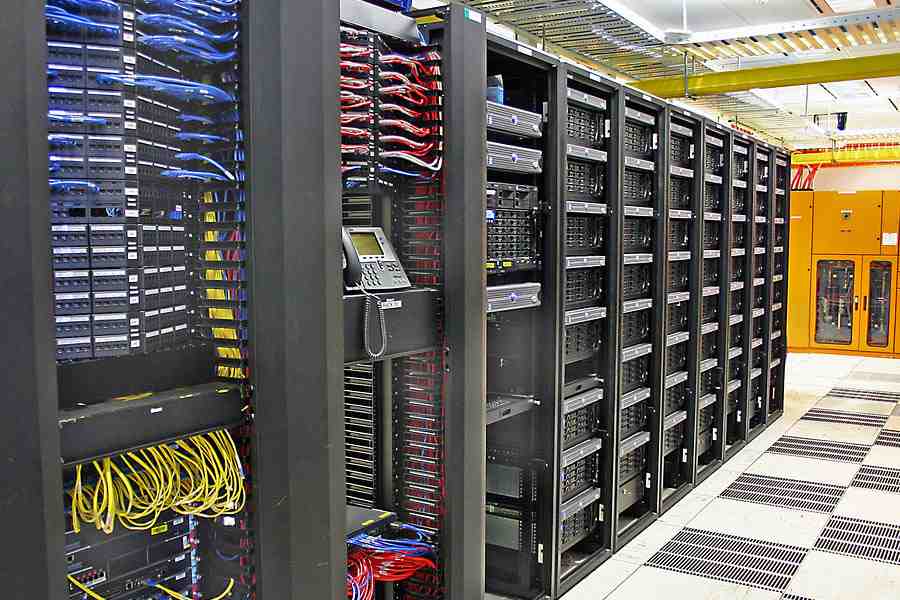
The Hidden Cost of Cable Chaos: Why Data Cable Management Matters
Data cable management is the systematic organization of network cables using solutions like racks, trays, ties, and labels. The goal is to improve performance, safety, and maintenance efficiency.
A poorly managed server room, often called “cable spaghetti,” is more than just an eyesore. This chaos can lead to network downtime costing an average of $5,600 per minute. It’s no surprise the global cable management market is projected to reach $17.8 billion by 2030, as organizations recognize the critical need for order.
Structured cabling aims to build a reliable, scalable network. Proper management can boost performance by up to 20% by reducing signal interference and improving airflow. Critically, an estimated 50-80% of all enterprise network problems are traced back to poor cable management.
I’m Corin Dolan, owner of AccuTech Communications. Since 1993, my team has helped businesses across Massachusetts, New Hampshire, and Rhode Island transform chaotic networks into streamlined, efficient systems using the right products and practices.
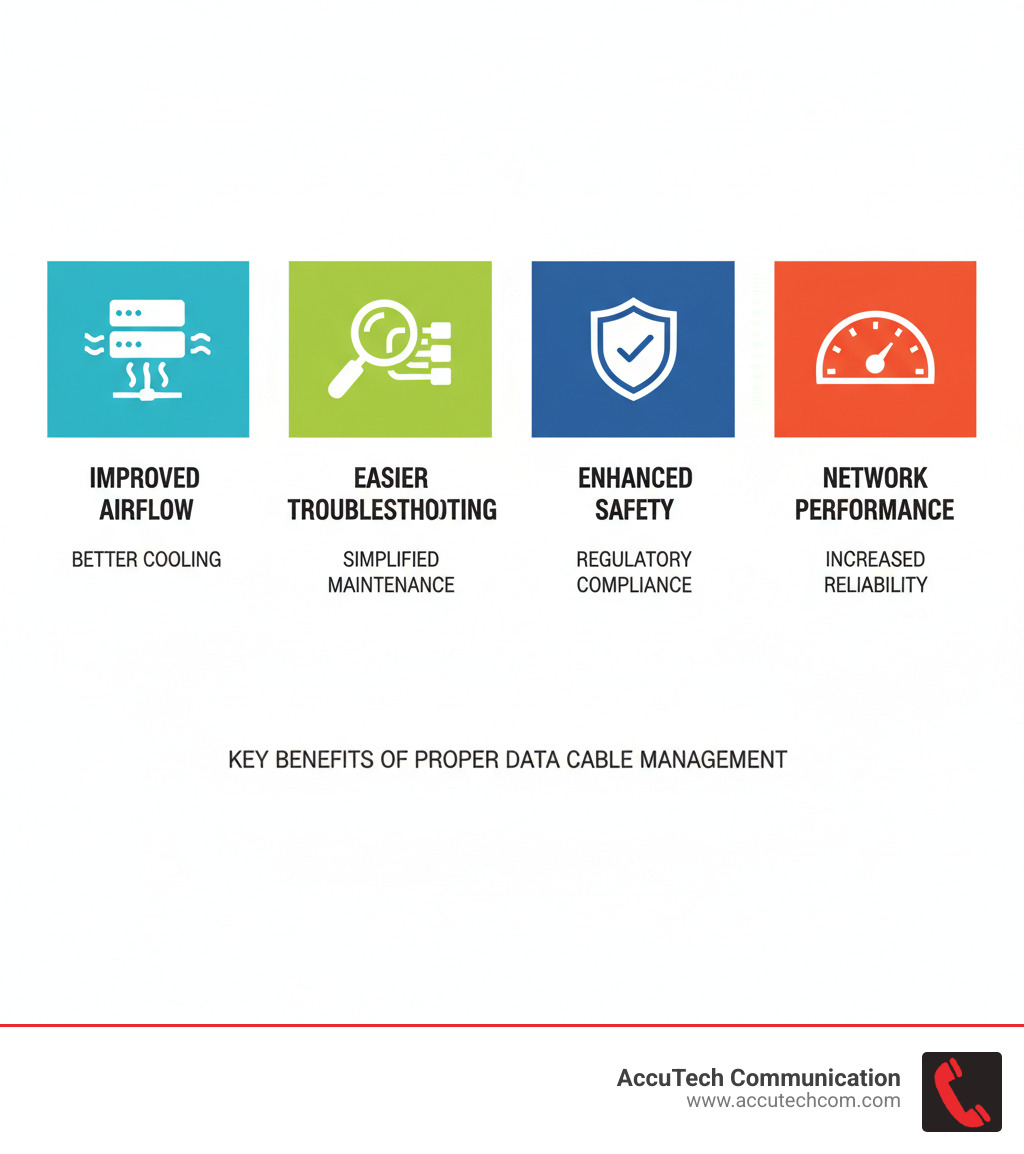
Basic data cable management glossary:
The Unseen ROI: Why Organized Cables are a Business Superpower
The hidden cables behind your server racks could be costing you thousands monthly. For three decades, I’ve seen poor data cable management drain profits through reduced performance, increased downtime, and high maintenance costs across Massachusetts, New Hampshire, and Rhode Island. Organized cables are the foundation of your network’s health.
When managed properly, you gain immediate improvements in network reliability, with stable connections and consistent speeds that keep your team productive. The benefits extend to signal quality, equipment lifespan, and staff safety. An estimated 50-80% of network problems in enterprise environments trace back to poor cable management, meaning most issues are preventable.
Improved Network Performance and Reliability
Your network’s performance isn’t just about your ISP. Tightly bundled or sharply kinked cables are vulnerable to signal interference and crosstalk, where signals leak between cables, causing slow speeds and dropped connections. Proper data cable management routes cables correctly to eliminate this interference.
We pay close attention to bend radius protection, as exceeding a cable’s minimum bend radius damages its internal structure—causing data loss in copper and complete failure in fiber optics. Separating power and data cables is also crucial to prevent electromagnetic interference (EMI). Following these structured cabling principles can lead to up to 20% performance improvement and ensures your network can support higher bandwidth as you grow.
Improved Airflow, Cooling, and Safety
Believe it or not, cable management affects your electricity bill. Blocked airflow from messy cables forces cooling systems to work harder, creating hot spots that can cook your expensive equipment and shorten its lifespan. Organizing cables into designated pathways ensures proper airflow, leading to reduced energy costs and longer-lasting hardware.
Safety is another major concern. Loose cables are trip hazards, while unmanaged power cables can chafe against metal edges, creating a fire hazard. Our office data cabling and commercial data cabling installations always adhere to safety codes to protect your people and property.
Simplified Troubleshooting and Maintenance
When your network goes down, a technician facing a tangled mess will take hours to diagnose the issue. A well-managed system enables faster problem identification, turning hours of detective work into minutes. This directly translates to reduced labor costs and minimal disruption.
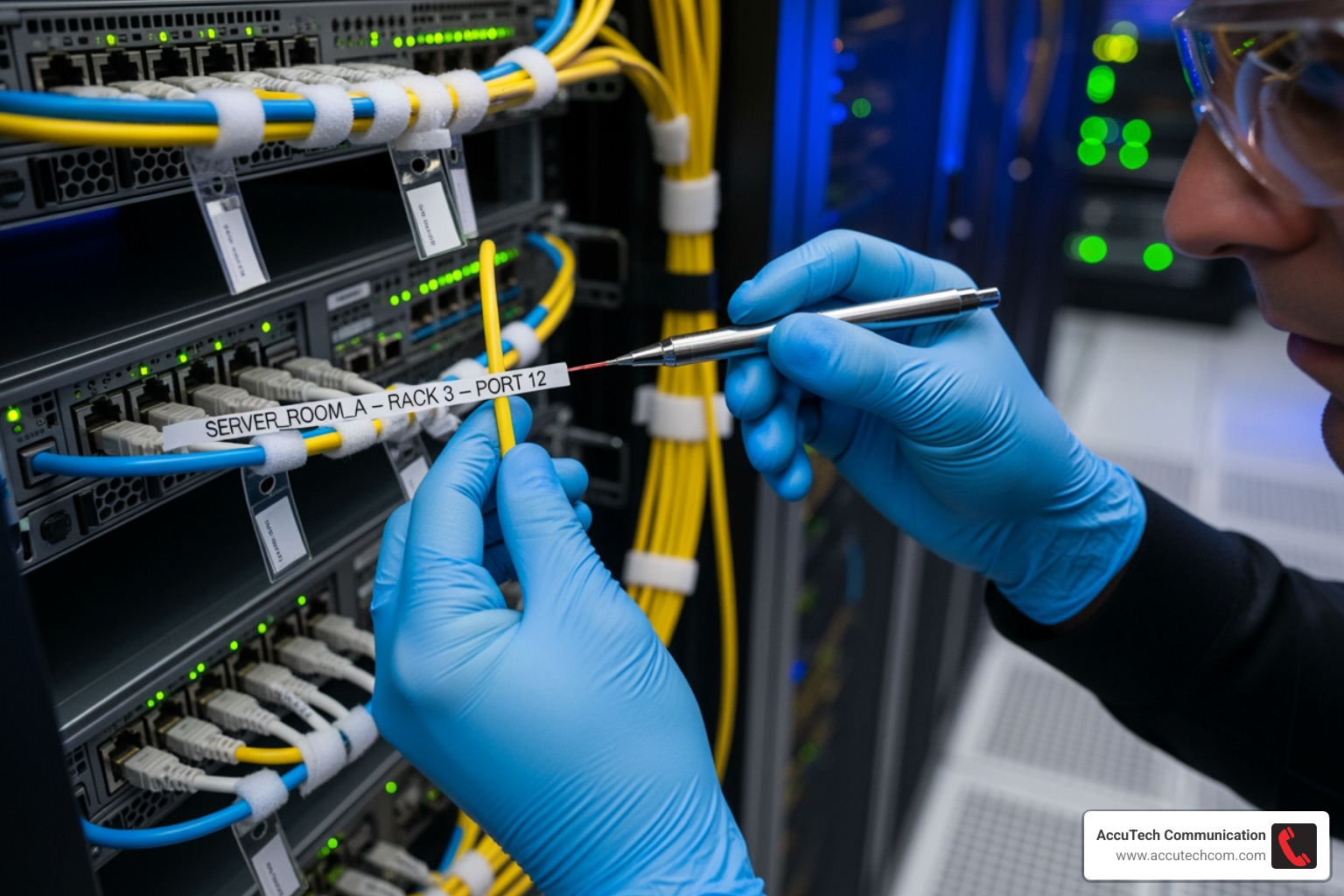
Labeling is the key. Every cable should be clearly marked at both ends, and all ports identified. This, combined with logical routing, makes troubleshooting straightforward. Organized cables also facilitate easier upgrades and scaling. Adding new equipment or reconfiguring your network becomes a quick, confident task, giving you an agile infrastructure that evolves with your business.
Your Toolkit for Taming the Tangle: Essential Data Cable Management Products
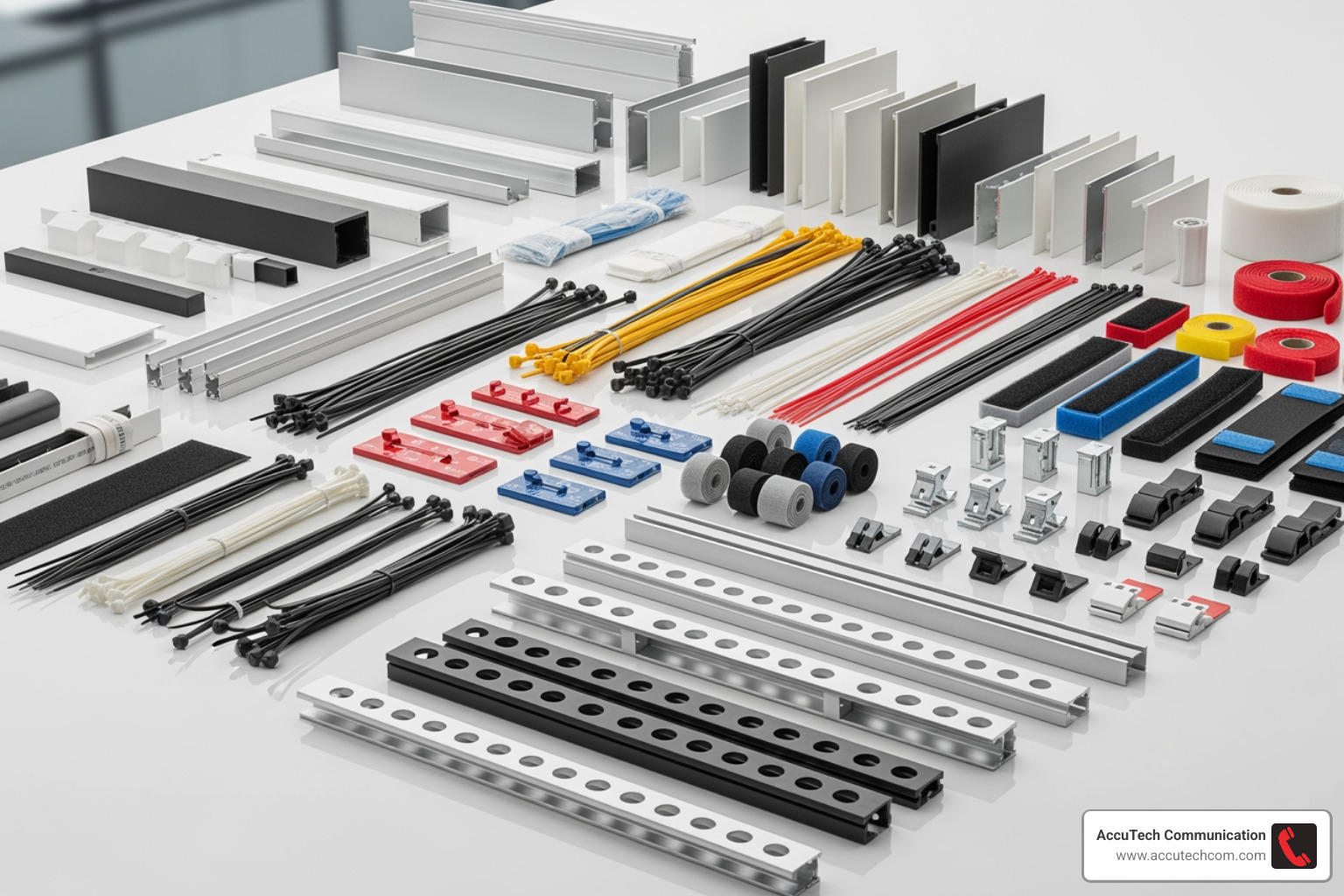
Understanding why data cable management matters is the first step. The next is assembling the right toolkit. A holistic system, from foundational racks to finishing touches like ties and labels, is key to changing chaos into order. Based on our experience across Massachusetts, New Hampshire, and Rhode Island, we know every component plays a crucial role in building a system that adapts to your future needs.
Foundational Structures: Racks and Enclosures
A solid data cable management strategy begins with a strong foundation. 2-post racks are workhorses for lighter equipment like patch panels and switches, offering great access. For heavier servers and storage, 4-post racks provide the necessary stability and depth. Server cabinets (enclosures) take it a step further, offering security, dust protection, and integrated cooling. When floor space is limited, wall-mount racks and cabinets are a compact solution. Material choice also matters: aluminum offers lightweight strength, as seen in this 2-post aluminum rack, while steel provides maximum durability. Our datacenter cable management approach always matches the structure to your specific needs.
Pathways and Protection: Raceways, Trays, and Conduits
Cables need safe highways. Overhead and underfloor pathways create organized routes that keep cables out of the way and improve airflow. For delicate fiber optic cables, specialized fiber raceways (like this straight section) are essential to protect against sharp bends and physical stress. Cable trays (wire mesh or ladder-style) support large cable bundles over long distances. For maximum protection against physical impact or moisture, conduits are the answer. We often handle network cable conduit between floors and explain how to run network cable outside in conduit in our conduit installation guide. For sensitive installations, innerduct installation services add another layer of security.
Rack-Level Organization: Horizontal and Vertical Managers
At the rack level, data cable management provides the finishing touches. Horizontal cable managers, like this 1U example, mount in the rack to organize patch cords using D-rings or finger-ducts. They come in 1U and 2U heights to match cable density. Vertical cable managers run along the sides of the rack, creating clean pathways for cables traveling between equipment. For bundling, we prefer reusable hook-and-loop ties (Velcro) for data cables, as they are gentle and adjustable. Zip ties are useful for more permanent bundles, but should never be over-tightened. Finally, labels are the most critical tool. Labeling every cable at both ends is non-negotiable and is the cornerstone of effective network management, turning a potential five-hour nightmare into a five-minute fix.
Selecting the Right Solution for Your Space
There is no one-size-fits-all data cable management solution. The right system is customized for your specific environment, whether it’s a Boston data center or a Portsmouth accounting firm. When we work with clients across Massachusetts, New Hampshire, and Rhode Island, we consider key factors like scalability to accommodate future growth, cable density, the environment type (data center vs. office), and your budget. Material and design choices also matter, from metal raceways for industrial settings to plastic for standard offices. The goal is to find an effective solution that pays dividends in reduced downtime and easier maintenance.
Data Center Grade Solutions
Data centers demand mission-critical data cable management. With staggering density requirements for 40G, 100G, and 400G connectivity, every inch of space counts. Zero-U mounting solutions are standard, fitting managers into unused vertical space. Airflow optimization is essential to prevent hot spots and equipment failure, which is a core part of data center infrastructure management. Heavy-duty materials like steel are used to support massive cable loads. These environments require expert handling of both fiber and copper cabling, each with unique bend radius needs. Our data center cabling services are designed to address these complex challenges.
Choosing the Right Data Cable Management for Your Office
In an office, performance and aesthetics and concealment are equally important. We use products that blend into your decor, creating a clean, professional appearance. Popular solutions include under-desk trays to eliminate the rat’s nest of wires at your feet, and paintable wall-mounted raceways to hide cables running to displays. For high-traffic areas, floor cord covers are essential to protect cables and prevent trip hazards. Most importantly, office data cabling must be designed with flexibility for moves, adds, and changes, allowing your infrastructure to adapt easily as your business evolves.
Home Network & Small Business Setups
Good data cable management isn’t just for large companies. Home offices and small businesses benefit greatly from basic organization, focusing on cost-effectiveness and simple installation. Cable sleeves and wraps can bundle the jumble of wires behind a desk into a single, tidy package. Adhesive clips are perfect for routing individual cables along baseboards or desks. We recommend reusable hook-and-loop ties (Velcro), though basic zip ties have their place if used carefully. Simple desk cable organizers can also corral power bricks and excess wires. These inexpensive solutions reduce clutter, simplify troubleshooting, and create a safer, more professional workspace.
Best Practices for a Future-Proof Network
Effective data cable management is an ongoing process, not a one-time project. At AccuTech Communications, we help businesses in Massachusetts, New Hampshire, and Rhode Island build future-proof networks by starting with careful planning. We use structured cabling principles as the blueprint for a standardized, systematic approach. Adherence to industry guidelines, like BICSI standards, ensures your system is installed correctly for optimal performance and longevity.
Installation Best Practices for Effective Data Cable Management
Getting your data cable management right from day one prevents costly future problems. Our data cabling installation guide covers these points in detail, but here are the essentials:
- Label everything: Every cable needs a clear label at both ends, following a documented scheme. This is the single biggest time-saver in troubleshooting.
- Respect the bend radius: Avoid sharp bends that degrade signal in copper or break fibers in fiber optic cables. Route cables in gentle curves.
- Keep power and data cables separated: Use different pathways or maintain adequate spacing to prevent electromagnetic interference.
- Use the right cable lengths: Measure runs and use appropriately sized cables to avoid excess coils that block airflow and complicate maintenance.
- Secure bundles gently: Use hook-and-loop (Velcro) straps for data cables. If using zip ties, do not cinch them so tightly that they damage the cable.
Long-Term Maintenance and Scalability
Installing a great data cable management system is just the beginning. Keeping it that way requires ongoing attention and a mindset focused on future growth.
- Schedule regular audits: Periodically check your server rooms for tangled cables, missing labels, or undocumented changes. Catching small issues early prevents big problems.
- Create and maintain a detailed network diagram: A map of all connections, pathways, and equipment is an invaluable tool for troubleshooting and planning.
- Leave service loops at termination points: A small amount of slack cable at connection points allows for future moves or re-terminations without running new lines.
- Choose modular, expandable systems: Whenever possible, select management products that can grow with you, saving money on future upgrades.
- Document every change immediately: Update labels and diagrams the moment a change is made. Accurate documentation is the foundation of efficient long-term management.
Conclusion: The Future is Organized
We’ve seen that data cable management is about more than just tidy wires; it’s fundamental to your business’s success. A well-organized system prevents costly downtime, boosts network performance, and creates a safer, more scalable infrastructure.
The industry recognizes this, with a projected market of $17.8 billion by 2030 and trends moving toward high-density fiber optic cabling, intelligent cable management systems, and sustainable materials.
In my three decades at AccuTech Communications, I’ve seen that companies investing in proper cabling spend less time fighting fires and more time growing. Since 1993, we’ve helped businesses across Massachusetts, New Hampshire, and Rhode Island build reliable networks that simply work. Our certified professionals design systems custom to your specific needs, considering both today’s requirements and tomorrow’s growth.
The future of networking is organized. Don’t let cable chaos be your weak link. Ready to see what a professionally managed network can do for your business? Whether you’re planning a complete data center build out, upgrading your current system, or just tired of fighting with tangled cables, we’re here to help. Let’s build something better together.