The Low Voltage Specialist: Why You Need One (or Should Become One!)
The Invisible Backbone of Modern Connectivity
A low voltage cable installer is a specialized technician who installs, maintains, and troubleshoots communication and data cables that carry less than 50 volts of electricity. Here’s a quick overview:
Career Path Overview:
- Average Salary: $55,000 per year ($26.44/hour) in the US
- Job Growth: 6% expected growth from 2022-2032
- Key Skills: Cable termination, fiber splicing, network testing, cable management
- Common Applications: Data networks, security systems, phone systems, audio/video equipment
Why Businesses Need Them:
- Ensure reliable network performance
- Comply with safety codes and industry standards
- Provide proper cable management for future upgrades
- Offer ongoing maintenance and troubleshooting
Every email, VoIP call, or security camera feed relies on the work of a low voltage cable installer. The demand for these skilled professionals is growing fast, highlighting a challenging but rewarding career path. Understanding this role is crucial for business owners with network issues and anyone considering the career. The work varies from comfortable offices to challenging conditions like hot attics.
I’m Corin Dolan, owner of AccuTech Communications. With over 30 years of experience designing and installing communication systems for businesses in Massachusetts, New Hampshire, and Rhode Island, I’ve seen how a professional low voltage cable installer is critical to business success.
Low voltage cable installer terms explained:
What is Low Voltage Wiring and Why Does It Matter?
Modern conveniences like smart lights, security cameras, and video conferencing are all powered by low voltage wiring. This is the unsung hero of our connected world.
Low voltage wiring operates at 50 volts or less, making it fundamentally different from the 120-volt wiring that powers standard appliances. This lower voltage is ideal for data transmission, powering everything from your internet and Voice over IP (VoIP) phone systems to your security systems and access control panels.
Modern audio/visual systems and smart building automation features like programmable thermostats and IoT devices also depend on this infrastructure. Without it, our digital lives would stop. For a deeper dive into how these systems work, see what network cabling is.
Key Differences: Low Voltage vs. Traditional Electrical
Understanding the distinction between low voltage and traditional electrical systems explains why a low voltage cable installer requires specialized skills.
- Safety and Voltage: Low voltage systems (under 50V) are generally safer than traditional 120V systems, though caution is still required. The lowest recorded voltage to cause death was 42V.
- Purpose: Traditional wiring handles power transmission for lights and appliances, while low voltage manages data transmission for communication and smart devices.
- Installation: Electrical work focuses on moving high power through rigid conduits. Low voltage installation requires precision with delicate cables, fiber splicing, and adherence to network performance standards.
- Infrastructure: The two systems require separate infrastructure. Low voltage cables must be run at least 12 inches away from parallel high-voltage lines to prevent interference. When crossing, they must do so at a 90-degree angle.
This specialization is why you need dedicated professionals. Learn more about system organization at structured cabling.
Common Types of Low Voltage Cables and Their Uses
A skilled low voltage cable installer selects the right cable for each specific need.
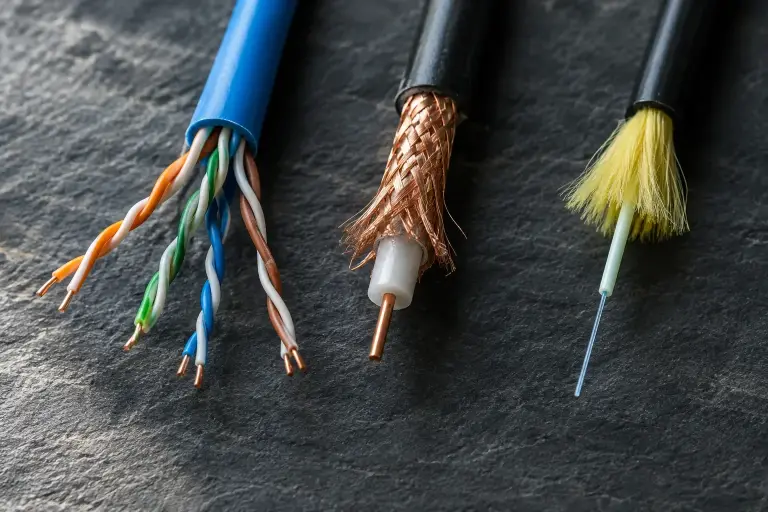
- Cat5e: The standard for basic network connections, handling speeds up to 1000 Mbps. Ideal for computers and printers.
- Cat6: An upgrade from Cat5e, Cat6 offers better interference protection and is recommended for businesses wanting solid performance and future-proofing.
- Coaxial: Used for cable TV and some internet connections. RG-6 is common for modern TV, while RG-59 is often used for older analog security cameras.
- Fiber Optic: The top choice for data transmission, Fiber Optic Cable uses light signals for incredible speeds over long distances, essential for high-demand applications.
- Speaker Wire: Connects amplifiers to speakers. A lower gauge (e.g., 16 gauge) handles more power for demanding audio setups.
- Security Wire: Includes cables for alarm systems, motion sensors, and access control panels.
Choosing the correct cable is critical for performance. Explore your options with this guide to ethernet cable types.
The Role of Low Voltage in Modern Infrastructure
Low voltage wiring is the foundation of modern intelligent environments.
- Smart Homes: Automated lighting, thermostats, and entertainment systems all rely on low voltage infrastructure.
- Commercial Security: Commercial Security Cameras and access control systems depend on these connections for clear video and reliable operation.
- Data Centers: These digital nerve centers run entirely on precisely installed Cat6, Cat6A, and fiber optic cables where every connection must be perfect.
- Business Phone Systems: Modern VoIP systems use Ethernet cabling for crystal-clear voice and advanced features.
- Internet of Things (IoT): Smart sensors and connected appliances in offices and factories communicate through these networks to automate processes and improve efficiency.
This infrastructure creates responsive environments that adapt to our needs. Learn how we help businesses build these connections at data and network cabling.
The Path to Becoming a Professional Low Voltage Cable Installer
For a career combining technology, problem-solving, and hands-on work, consider becoming a low voltage cable installer. You’ll build the invisible infrastructure that connects our modern world.
Demand for low voltage technicians is expected to grow 6% from 2022 to 2032, faster than the average job. As more devices become “smart,” someone needs to install the cables that make them work.
The average low voltage cable installer earns around $55,000 per year ($26.44/hour), with earning potential increasing with specialized skills and certifications in areas like fiber optics.
This career is constantly evolving with new technologies, which keeps the work interesting. For those ready to specialize, becoming a certified fiber optic technician opens up even more opportunities.
Essential Skills for a Low Voltage Cable Installer
Success as a low voltage cable installer requires a blend of technical and practical skills.
- Technical Aptitude: You must understand how data flows through networks and how different systems communicate.
- Problem-Solving: A good installer systematically tests connections and uses tools to pinpoint issues rather than guessing.
- Attention to Detail: Every wire color and label matters. Clean cable management is crucial for future troubleshooting and upgrades.
- Physical Demands: The job involves pulling cables, climbing ladders, and working in tight spaces like hot attics or crawlspaces.
- Customer Service: You’ll need to explain technical concepts to clients, building trust and securing repeat business.
- Industry Standards: Knowledge of wiring standards (like TIA/EIA 568-A/B) and color codes is essential for reliable installations.
The best installers combine these skills to troubleshoot complex issues and communicate effectively with clients. Learn more about the skills of a cable technician.
Training, Certifications, and Licensing
Breaking into the low voltage field requires a commitment to continuous learning.
- On-the-Job Training: There is no substitute for working alongside experienced technicians to learn the practical tricks of the trade.
- Apprenticeship Programs: These offer a structured path combining thousands of hours of hands-on work with classroom instruction, covering everything from safety to advanced installation techniques. You can find more details in the information on skilled trades legislation.
- Industry Certifications: Credentials like BICSI’s Registered Communications Distribution Designer (RCDD) are highly respected and demonstrate serious expertise. For fiber optics, the Certified Fiber Optic Technician is nearly essential and leads to higher-paying work.
- Manufacturer Certifications: Training from companies like Panduit or CommScope on their products can provide a competitive edge, often allowing you to offer extended warranties.
- Licensing: Requirements vary by location. While often separate from electrical licensing, many areas have specific low voltage contractor licenses or permit rules. Always check with your local building department.
Physical Demands and On-the-Job Hazards
Being a low voltage cable installer is physically demanding and comes with unique on-the-job challenges.
- Confined Spaces: You’ll often work in hot attics or tight crawl spaces.
- Ladder and Lift Work: The job requires comfort with heights, using everything from extension ladders to man lifts.
- Lifting: You may need to carry heavy boxes of cable (40-50 lbs) or audio/visual equipment.
- Proximity to High-Voltage: Installers often work near high-voltage systems and must understand safety protocols, such as maintaining at least 12 inches of separation from parallel power lines.
- Repetitive Motions: Pulling cable and making terminations can cause strain over time. Taking breaks and varying tasks is important.
- Personal Protective Equipment (PPE): Safety glasses, gloves, and hard hats are non-negotiable. Some jobs may require additional protection like Tyvek suits.
The work’s variety is a major draw for many installers, who appreciate the combination of physical activity and technical problem-solving.
The Art of Installation: Best Practices and Project Insights
A professional installation isn’t just about making things work today; it’s about creating a reliable, adaptable infrastructure for the future.
- Structured Cabling Standards: Following industry guidelines like TIA/EIA 568 ensures that a network will work seamlessly with equipment from anywhere in the world. These standards dictate everything from wire color order to how much a cable can bend.
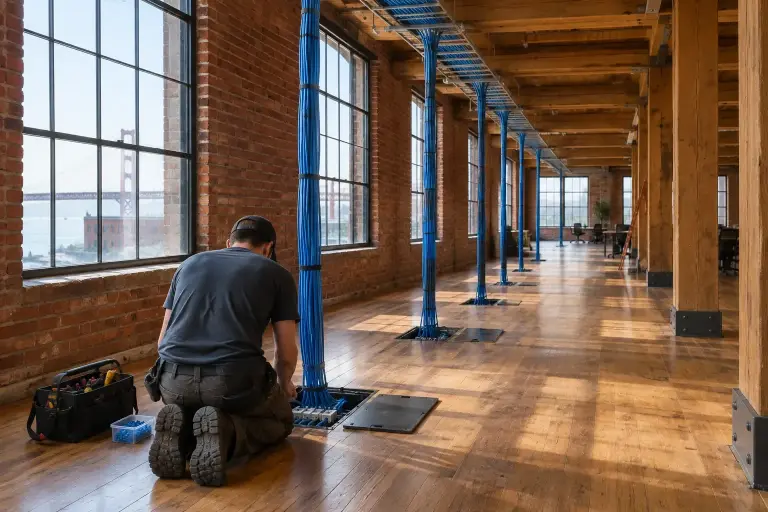
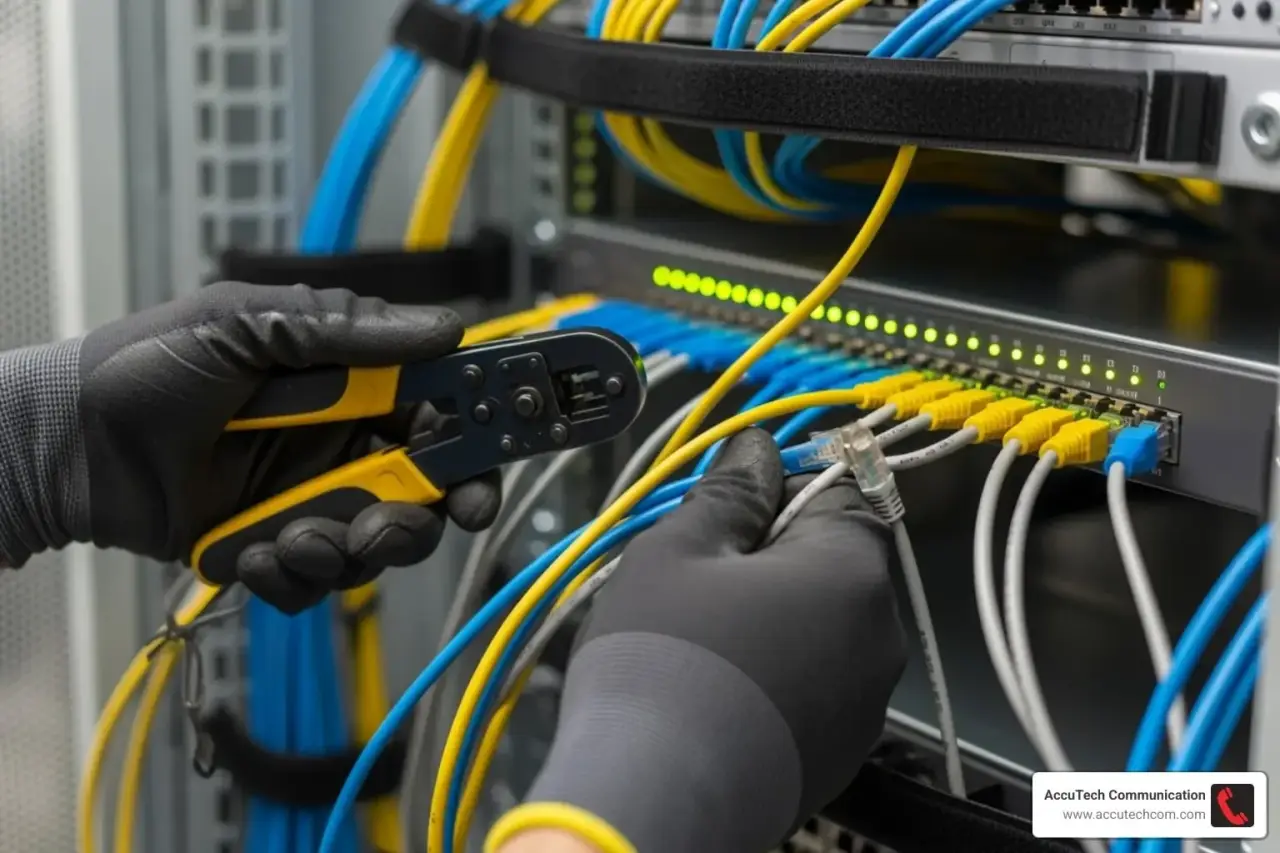
- Cable Management: A professional low voltage cable installer creates organized pathways using trays and conduits, preventing the “spaghetti mess” that makes future work a nightmare.
- Labeling Conventions: Every cable must be clearly labeled at both ends and documented. This is critical for future maintenance and upgrades.
- Testing and Verification: After installation, every cable run is tested with specialized equipment like Level IV scanners for copper or OTDRs for fiber. This verifies that the cabling meets performance specifications.
- Future-Proofing: A key service is planning for tomorrow’s needs. Running extra cable drops during the initial installation is far cheaper than retrofitting later.
Learning from others’ mistakes is always best. Check out these common installation mistakes to avoid.
New Construction vs. Retrofitting Existing Buildings
The installation approach depends heavily on the building’s status.
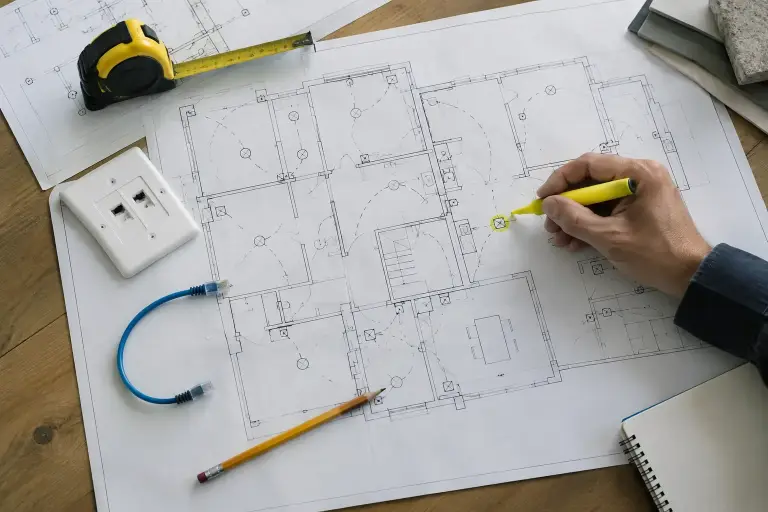
In new construction, we work with architects from day one, integrating cabling into the design. We study blueprints, plan pathways, and coordinate with other trades. Running cables before the drywall goes up is ideal, allowing for unrestricted access and easy installation of conduit for future expansion. Learn more about installing conduit between floors.
Retrofitting existing buildings requires a different strategy. We act as detectives, finding the best paths through finished walls with minimal disruption. This involves fishing wires with specialized tools to steer around plumbing and HVAC. When fishing isn’t practical, we use surface-mounted conduit and raceways to create clean, accessible pathways.
Why Hire a Professional Low Voltage Cable Installer?
While DIY tutorials exist, modern network installations are complex systems requiring specialized knowledge and tools.
- Expertise: A professional understands network topology, signal interference, and how different systems interact.
- Proper Tools: We use expensive, specialized equipment like cable certifiers and fiber splicers that are impractical for a one-time project.
- Code Compliance: Professionals stay current with local building codes, fire safety regulations, and industry standards, ensuring your project passes inspection.
- Reliability: Proper installation practices minimize the chance of failures and ensure optimal performance.
- Warranty and Support: Certified installations often come with long-term manufacturer warranties and provide you with an expert to call if issues arise.
- Safety: Professionals know how to work safely near high-voltage systems and prevent fire hazards or equipment damage.
The investment in professional work pays dividends. Learn more about the importance of professional installation.
Permits, Regulations, and Inspections
The regulatory landscape for low voltage wiring varies by location. While safer than high-voltage work, it is not exempt from oversight.
- Local Building Codes: These take precedence and can vary significantly between municipalities.
- National Electrical Code (NEC): NEC guidelines apply to low voltage work, particularly regarding fire safety and cable pathways.
- Permits: Fire alarm systems, complex security installations, and large-scale network deployments often require a low-voltage permit.
- Fire Safety: Regulations dictate cable choice. Plenum-rated cables are required in air-handling spaces (like drop ceilings) because they limit flame spread and smoke. Using the wrong cable type is a serious fire hazard.
- Inspections: Permitted projects require a final inspection to verify compliance, which is often necessary for insurance and warranties.
We ensure every installation complies with all applicable codes for safety, legality, and performance.
Frequently Asked Questions about Low Voltage Installation
Here are answers to some of the most common questions we receive from clients and prospective technicians.
What are the typical costs for low voltage wiring projects?
The cost of a low voltage project depends on several factors, making a single price impossible. Key variables include:
- Project Scope: A few drops in a small office will cost less than wiring an entire manufacturing facility.
- Building Complexity: New construction is generally more straightforward and less expensive than retrofitting a 100-year-old building.
- Cable Type: Basic Cat6 cable is more affordable than specialized fiber optic cable, which requires more expensive materials and expertise.
- Labor Rates: Costs vary by region and the experience level of the low voltage cable installer.
Many contractors price per drop, but this doesn’t include materials, termination, and testing. For more detail, see our guide on ethernet installation cost.
Can an electrician install low voltage cabling?
While an electrician can physically pull the cable, it’s not their specialty. The roles require different skill sets. Electricians are masters of power delivery, ensuring high-voltage systems are safe and functional. A low voltage cable installer specializes in data integrity.
Low voltage work is about creating clean, uninterrupted data flow. This requires understanding network topology, proper termination techniques to maintain signal quality, and how to avoid interference from electrical lines. We use specialized tools like cable certifiers that most electricians don’t own. The risk of using a non-specialist is poor network performance, slow speeds, and intermittent connection drops that are costly to troubleshoot later.
How long does a typical network cabling installation take?
There is no “typical” installation timeline, as every project is unique. The duration depends on:
- Project Size: A small office with 20 drops might take a few days, while a large facility could take weeks or months.
- Number of Drops: Each cable run requires pulling, termination, labeling, and testing, all of which take time.
- Building Complexity: New construction is faster than retrofitting existing buildings, where fishing wires through finished walls can be time-consuming.
- Team Size: A larger, well-coordinated crew can complete work more quickly.
- Testing and Certification: After installation, every cable is tested to verify performance. This critical step can add significant time to large projects.
We work with clients to set realistic timelines and minimize disruption to their business.
Conclusion: Powering Your Future with the Right Connections
The role of a low voltage cable installer is more essential than ever. These skilled professionals build and maintain the networks that power our connected world.
For those considering the career, it’s a fast-growing field that combines problem-solving with hands-on technical work. You’ll work with cutting-edge technology and see the immediate impact of your expertise.
For business owners, your network is the nervous system of your operation. Flawless performance is critical for productivity. A professional low voltage cable installer doesn’t just connect two points; they design reliable systems that can grow with your business and handle future technologies.
At AccuTech Communications, we have been providing these services since 1993. We’ve helped businesses across Massachusetts, New Hampshire, and Rhode Island evolve from simple phone systems to complex, integrated networks. We’ve seen the problems that arise from cutting corners and understand the value of doing the job right the first time.
Our technicians don’t just install cables, we build the foundation for your business’s future. Whether you’re setting up a new office or upgrading a large commercial building, we bring a 30-year commitment to quality and reliability.
Technology will continue to evolve, but quality installation by experienced professionals always pays for itself. Find professional structured cabling services in your area and give your business the reliable foundation it deserves.