Running Fiber Between Buildings in a New England Winter: Install Now or Wait for Spring?
This guide explains what frozen ground changes about underground fiber runs, which parts of the job can still happen in winter, and how to choose between starting now and waiting for spring.
The short answer
- Frozen ground makes open trenching harder and messier, but boring below the frost or pulling fiber through existing conduit can often still go ahead in winter.
- Surface restoration is the biggest winter catch, because lawns, landscaping, and pavement patches often can't be finished properly until spring.
- You can split the project: survey, plan, and do the indoor pathway and termination work now, then handle the outdoor run after the thaw.
- Spring has problems of its own. Mud, saturated soil, and crowded contractor schedules mean waiting isn't automatically easier or faster.
What frozen ground actually changes
Once the frost settles in across New England, the top layer of soil gets hard enough that it behaves less like dirt and more like soft rock. That affects an underground fiber run between buildings in a few concrete ways.
- Digging gets slower and rougher. Standard trenching equipment struggles in frozen soil. Crews may need heavier machines, ground-thawing equipment, or extra passes to reach depth, and all of that adds time and wear.
- Spoil doesn't behave. Soil dug out of a frozen trench comes up in chunks. It's hard to backfill and compact properly, so the trench line can settle unevenly once it thaws.
- Snow hides the site. Drifts and plowed piles cover landscaping edges, drainage features, irrigation heads, and the paint marks crews rely on to stay on route.
- Cable gets stiffer. Outdoor fiber jackets and duct materials lose flexibility in the cold. Pulling and bending them takes more care to stay within the manufacturer's handling limits.
Notice what isn't on that list. The fiber itself doesn't care about the season once it's in the ground. Underground-rated fiber is designed to live through freeze and thaw cycles year after year. So the winter question is really about installation conditions and site cleanup.
Frost depth varies from site to site, so ask your installer how deep the frozen layer is at your property before assuming any method will or won't work.
Work that can usually go ahead in cold weather
A winter fiber job between buildings isn't all-or-nothing. Several parts of the work are fairly indifferent to frozen ground.
Boring under the frost
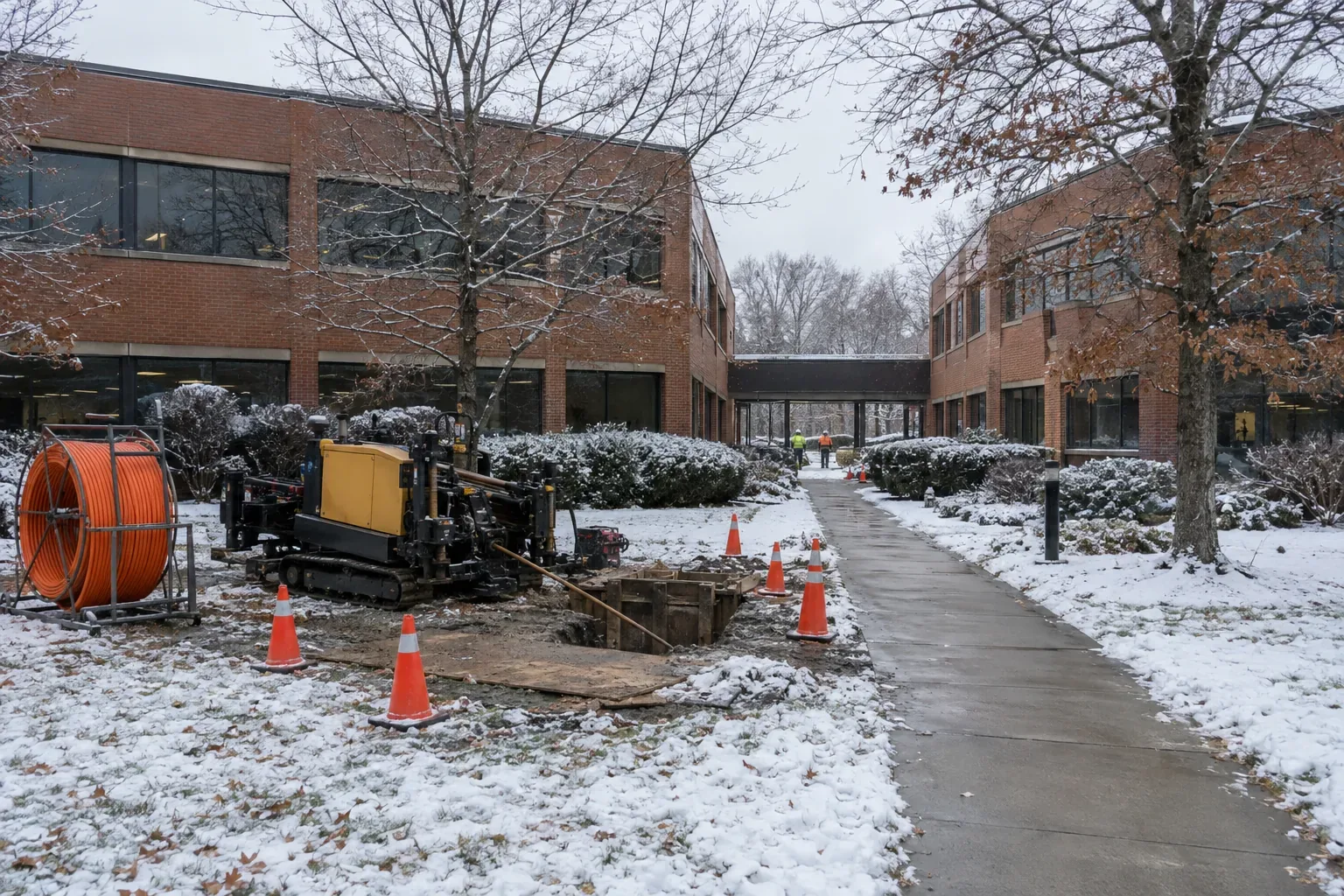
Directional boring runs a path beneath the surface between two small pits instead of opening a continuous trench. Because the bore can pass below the frozen layer, only the entry and exit points need to be opened. It also spares a parking lot or lawn that couldn't be properly restored until spring anyway. Rock, very short distances, or tight quarters near foundations can rule it out, so the site has to be assessed first.
Pulling fiber through existing conduit
If a conduit or duct bank already runs between your buildings from an earlier project, you may not need to open the ground at all. The main winter concern is water. Moisture that collected in an underground conduit can freeze, blocking the path or putting pressure on whatever is inside. A crew will typically test the pathway and clear it before pulling new cable. If you're adding fiber to a crowded duct, subdividing it with innerduct keeps each cable in its own protected channel and leaves room to grow. Our post on planning innerduct for future fiber expansion covers that decision in more detail.
Everything indoors
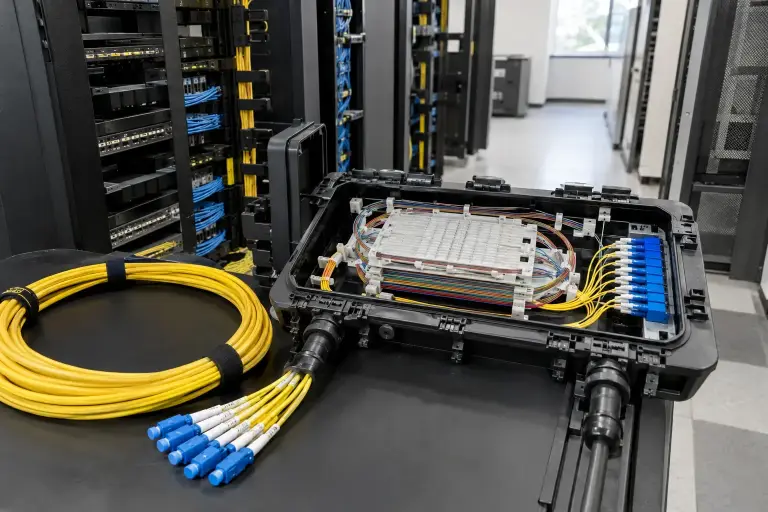
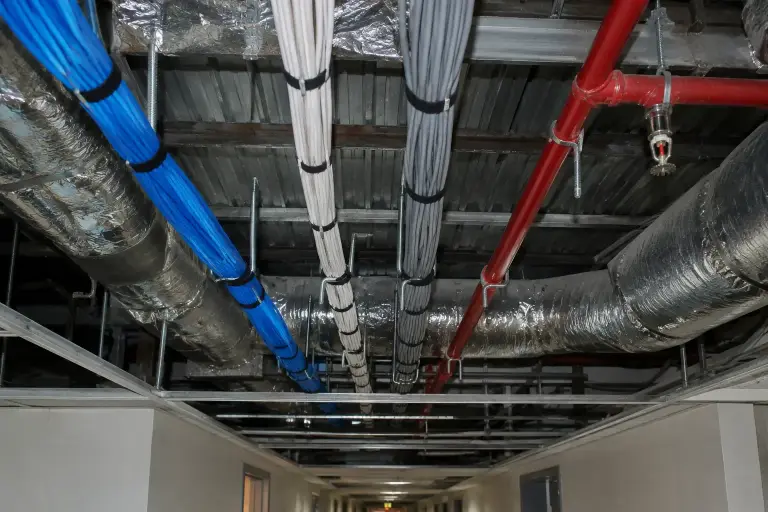
Building entrances, wall and ceiling pathways, interior conduit, rack and patch panel space, and fiber termination all happen in heated space. None of it depends on the ground thawing, and most of it has to be done before the outdoor link is useful anyway.
The real tradeoffs of digging in winter
If your site truly needs an open trench and the frost is already in, here's what pushing ahead usually involves.
- Restoration happens twice. Grass seed won't take in frozen soil, and permanent pavement patching is hard to do well in the cold. Expect a temporary fix now and a return visit in spring to finish the surface.
- Settling is more likely. Frozen backfill doesn't compact like loose soil. When it thaws, the trench line can sink, so someone should check it and top it up afterward.
- Weather can stall the schedule. A storm that dumps a foot of snow on an open excavation means clearing, re-securing the site, and lost days.
- Effort and cost can climb. Thawing equipment, heavier machinery, and extra labor all add to a job. Ask whoever handles the excavation to explain how winter conditions affect their scope before you commit.
For some businesses those tradeoffs are clearly worth it. A new building may need to open on a fixed date. A failing copper link may be causing outages, or a temporary connection may be costing you every month. For others, the extra hassle buys very little.
Whatever the season, please don't try to dig between buildings yourself. Buried power, gas, water, and communication lines may cross the route, and hitting one is dangerous. Frozen ground makes it even harder to feel what a shovel or machine is striking. In the US, calling 811 connects you to the local call-before-you-dig service that arranges for utility lines to be marked. Your excavation contractor should confirm locates are complete before anyone breaks ground; the specific local rules on who calls and how far ahead are best confirmed with your contractor or local authority.
Never dig toward or around buried utility lines yourself. Leave all excavation between buildings to a professional crew that confirms utility markings first.
Why waiting for spring isn't automatically easier
It's tempting to file the project under "after the thaw" and forget about it. Spring in New England brings its own complications.
- Mud season is real. As frost leaves the ground, soil can stay saturated and soft for weeks. Heavy equipment can rut lawns badly, and trenches in wet soil may need more shoring and pumping.
- Thawing ground keeps moving. Soil that's still heaving and settling isn't ideal for setting pull boxes or handholes at their final grade.
- Everybody waits for spring. Construction schedules tend to pile up once the weather turns. Start planning only after the snow melts, and you may land well down a contractor's list.
- The business problem keeps going. Slow links, an unreliable wireless bridge, or a building that can't fully open will still be there through the cold months.
Waiting can be the right call. It works best when the winter is spent getting ready, so the outdoor crew has everything it needs on day one.
If you choose to wait, get the site survey and design done in winter so the outdoor work can start as soon as ground conditions allow.
A phased plan: indoor work now, outdoor work after the thaw
For many sites the best answer is a split. Here's how a winter-to-spring schedule often looks.
- Site survey and route planning. Walk the route between buildings, identify where the cable will enter each one, and note obstacles like driveways, retaining walls, and trees. A survey can happen with snow on the ground, though some details may need a quick recheck after the melt.
- Design and scope. Settle on fiber type, strand count, and how much spare capacity to leave. Decide whether you want empty innerduct or extra conduit in the same run so the same path never has to be opened twice.
- Indoor pathways and termination points. Build out the building entrances, interior conduit, patch panels, and rack space in both buildings. Fiber is often run through EMT conduit indoors where it needs physical protection.
- Bridge the gap if needed. If you need connectivity before spring, ask about a temporary solution and its limits. Any temporary path should be clearly marked, protected from plows and foot traffic, and replaced once the permanent link is in.
- Outdoor installation once conditions allow. The ground work is done, conduit and innerduct are placed, and the fiber is pulled, terminated, and tested.
- Surface restoration last. Lawn and pavement repairs go in when the weather supports doing them properly.
Accutech handles the pieces of this sequence that fall under its services: fiber optic cabling installation, innerduct installation, EMT piping, and structured cabling inside each building. Phasing a project this way also means the fiber can be pulled and terminated into buildings that are already ready to connect, instead of waiting on interior work after the outdoor pathway is finished.
Adding spare conduit or innerduct to the route during the original installation is far less disruptive than opening the ground a second time later.
How to decide for your own site
Every property is different, so use these questions to see which way your project leans.
- Is there existing conduit between the buildings? If yes, winter installation may be simple once the pathway is checked and cleared.
- What's between the buildings? A paved lot or finished landscaping favors boring, which also happens to suit winter. An open field with no restoration concerns makes either season workable.
- How urgent is the link? A hard deadline or ongoing outages push toward starting now. A planned upgrade with no pressure leans toward a spring dig.
- Can the indoor work start without the outdoor run? Almost always, and doing it now shortens the spring timeline.
- Who will check the route after the thaw? Any winter excavation should come with a plan for settling and final restoration.
Before you talk to anyone, gather a few things: a rough distance between the buildings, photos of where existing utilities enter each one, any site plans or drawings, and notes on past digging along the route. Take photos from a safe spot on the ground and stay off icy roofs or snowbanks near roadways. Our post on running fiber underground between buildings explains the ground methods in more depth. If you'd like Accutech to talk through the fiber, innerduct, and in-building cabling side of your project, you can request an estimate through the website, and the service area page lists the towns Accutech serves.
Common questions
Will cold weather damage fiber optic cable once it's buried?
No. Outdoor and underground-rated fiber is built to handle freeze and thaw cycles once it's installed. The cold mainly matters during installation, when stiff jackets and duct materials need careful handling. Water freezing inside a conduit is the bigger long-term concern, which is why pathways are checked and sealed.
Is directional boring always possible in winter?
Not always. Boring can run below the frozen layer, but rock, tight spaces near foundations, very short runs, or limited room for entry and exit pits can make it impractical. A site assessment is the best way to find out whether it fits your property.
Can we do part of the fiber project now and finish it in spring?
Yes, and it's often the smartest approach. Indoor pathways, building entrances, conduit, patch panels, and termination points can all be built in winter. That leaves only the outdoor run and surface restoration for when ground conditions improve.
What happens to our lawn or parking lot if the ground is opened in winter?
Usually there's a temporary restoration right after the work and a return visit in spring for final repairs. Ask whoever is handling the excavation to spell out the restoration plan before work starts.